The past, present and future of Tax Justice Network

It’s strange to write this down, but Tax Justice Network nearly ceased to exist a few years ago. Now we’re coming to the end of the strategy period that began from that position of frailty, and it’s a whole new world. For good – from the strengthening of Tax Justice Network itself, to a series of powerful achievements for the worldwide movement. And for ill – literally, in the case of the pandemic and figuratively, in the apparent deepening of rich countries’ opposition to a fairer global distribution of taxing rights.

Our annual conference earlier this month brought together leading global voices on tax justice and human rights, exploring powerful opportunities for national and international policy changes and narrative shifts. It also challenged us over the ways that we work with partners globally, and how we marry expertise and activism.

Our current strategy, designed in 2016-17, runs to the end of this year. It’s a good moment to catch a breath and think a little about the next phase of tax justice. Without prejudging the full review, we can look back at some of the key changes over that period, and then forwards to some of the decisions and opportunities ahead.

Looking back…

After taking up the role of Tax Justice Network’s director of research in 2015 (I had turned down the initial offer to become chief executive), it quickly became apparent that we were financially close to failure. Over a period of months, there were repeated discussions about how much of our salaries the directors could afford to suspend, in order for the whole team to be paid. And so in 2016, some five years ago now, I accepted the role of chief executive.

Lest this sound like a complaint, the first thing to say about those five years is that they have been a time of extraordinary recovery and growth. Tax Justice Network did not go bust. Instead, we flourished. It’s been an absolute privilege to work with a quite brilliant team of people, from communications and advocacy to legal and quantitative analysis, and crucially also of operations experts as we’ve moved from start-up phase into a period of rapid professionalisation.

I’d been in and around the wider tax justice movement since the turn of the millennium. Working as a junior researcher at Oxford with Prof Valpy FitzGerald (now a commissioner at ICRICT), I’d had the eminent good fortune to be involved in the background work behind a couple of the moments that seem somewhat pivotal in hindsight. We had a small hand in contributing to and reviewing the famous Oxfam report of 2000 on tax havens, in which John Christensen, Sol Picciotto and others had been centrally involved. And we were privileged to hold the pen for enough of the process to ensure that the UK government’s 2000 white paper on globalisation included what was then quite ground-breaking recognition of international tax issues:

“Taxation of the profits of transnational corporations operating in developing countries provides an important mechanism for sharing the gains from globalisation between rich and poor countries, and for reducing poverty through generating adequate revenue for investment in health and education… There is a need for greater international co-operation to avoid [a] ‘race to the bottom’.”

From the perspective of an engaged outsider, the early years of Tax Justice Network seemed to fly.  By the 2007 launch of Tax Justice Network – Africa at the World Social Forum in Nairobi, the continuing progress of the movement seemed almost inevitable. The expertise and commitment of activists worldwide would surely build to global impact?

But five years later, lines were being drawn. Our co-founders John Christensen and Richard Murphy wrote a paper on ‘The Next Ten Years of Tax Justice’, proposing a division between a ‘non-campaigning’ Tax Justice Network to lead on research, and a separate global body to lead on activism. The latter spun out as the Global Alliance for Tax Justice in 2013, the umbrella body for mass mobilisation worldwide.

Two things that I’d never appreciated from outside, while working on tax justice at international NGOs and research organisations, were the organisational fragility of Tax Justice Network; and the relationship damage caused by the organisational separation.  By 2015, it turned out, both were at something of a low point.

Organisational recovery and flourishing

The financial and organisational issues were the more obvious ones, from the inside – but also, as it turned out, the easier ones to address.

From that low point, we have built a diverse funding base including a range of foundations and national governments. Reflecting the growing faith of funders, we doubled our annual expenditure from 2015 to 2019 alone, and have built up committed income and reserves with a view to ensuring our future sustainability.

As important, we have professionalised fully, putting in place the set of policies necessary for a responsible employer operating in multiple countries and regions of the world. We’ve added the tech platform to make this global remote working really fly, and ways of working across timezones and cultures. And we have put in place a governance structure that maintains the cooperative ethos long held dear, with members retaining the ultimate power to determine the organisational direction, but also ensures independent accountability through non-executive directors – with the latter, for example, responsible for agreeing changes to compensation and benefits. Following team consultation, expert advice and a thorough benchmarking exercise, we moved from the previous somewhat unstructured and unfair distribution that had emerged from our ‘start-up’ phase, to establish a payscale based on transparent and explicit criteria. The ratio of the highest and lowest salaries is currently 2.7.  

Introducing team retreats during the year, to allow in-person interactions among the global team, had strengthened bonds in important ways. So when the pandemic struck, we had the advantage of being fully remote already, and as good a base of personal relationships as we could hope for in a dispersed global team. It has been hard, and it continues to be hard. But we are committed to a practice of caring for each other within the team, and the conversations are always ongoing about how we can strengthen that in different ways.

An important underpinning of this whole organisational strengthening was a five-year commitment from the Ford Foundation. Two elements were crucial. First, the engagement of Rakesh Rajani, leading the Foundation into an understanding of tax justice and a decision to support it – and encouraging us to lay out a strategy for systemic change (‘build it and they will come!’), rather than look to address funders’ immediate interests. And second, the Foundation’s BUILD program designed specifically to support ‘organisational resilience’ – everything from the provision of expert consultants with understanding of issues like founder’s syndrome, through to a positive encouragement to commit their funds to building our reserves.

It’s a great sadness that Ford switched focus within a couple of years, but to their credit that they maintained this support anyway. We would not be the organisation we are today without it, and much of what has been achieved would instead have been lost. Coupled with the consistent policy-led engagement of key funders like Norad, this support has been transformative.

Thematic priorities

In terms of activities, each of the four workstreams in the strategy we laid out has delivered substantial progress. Perhaps the deepest work has been that of the workstream on tax justice and human rights, led by Liz Nelson (who is also a Senior Atlantic Fellow for Social and Economic Equity). This has developed with a range of partners including the Global Alliance for Tax Justice and the Centre for Economic and Social Rights, and valuable funding from the Wallace Global Fund, a powerful analysis that is increasingly recognised in both the human rights discourse and across the tax justice movement. Tax justice perspectives are increasingly reflected in country assessments under a range of UN human rights instruments; and human rights arguments are increasingly central to advocacy for tax justice in national policy debates.

Our annual conference earlier this month focused on this workstream and saw the launch of a major new report, Tax Justice and human rights: The 4 Rs and the realisation of rights. A stellar global cast was testimony to the platform that Tax Justice Network has built, and the strength of partnerships in this area in particular. Speakers and discussants included Andres Arauz, Ecuadorian presidential candidate; Attiya Waris, Associate Professor of Fiscal Law and Policy at University of Nairobi, and the newly appointed UN Independent Expert on the effects of foreign debt and other related international financial obligations of States on the full enjoyment of human rights; Dorothy Brown, Professor of Law at Emory University and author of The Whiteness of Wealth: How the Tax System Impoverishes Black Americans- and How We Can Fix It; Irene Ovonji-Odida, women’s rights activist and member of both the UN FACTI Panel and ICRICT; Logan Wort, Executive Secretary at the African Tax Administration Forum (ATAF); Paul Caruana Galizia, on behalf of the family and foundation of Daphne Caruana Galizia; and Philip Alston, Professor of Law at NYU and recently UN Special Rapporteur on extreme poverty and human rights.

The workstream on financial secrecy led by Dr Markus Meinzer has consistently delivered our flagship Financial Secrecy Index, and has successfully introduced the complementary Corporate Tax Haven Index. Together, these have been recognised in policy spheres and in research as unique and technically excellent contributions. At a campaigning level, they have supported a powerful shift in public narratives towards the understanding that financial secrecy and corporate tax abuse are largely driven by rich countries, promoting illicit financial flows and corruption around the world.

The index teams have also been consistently innovative. Where the human rights workstream has contributed to establish tax justice within a much wider discourse and international political canvas than could have been imagined ten years ago, the secrecy workstream has gone far beyond the initial ambitions of challenging weak ‘blacklists’, and overturning the narrative of corruption as a problem of lower-income countries, and has developed a whole series of analyses and tools that are increasingly being used by national authorities to strengthen their responses to tax abuse, of which the Illicit Financial Flows Vulnerability Tracker has been especially important. In addition, detailed policy work on aspects of the ABC (automatic exchange of information; beneficial ownership transparency and country by country reporting) has taken each far beyond the original ideas set down by the Tax Justice Network in the early years.

The workstream on the race to the bottom has also contributed to progress in shifting narratives, building the view that tax (and regulatory) competition damages the ‘winners’ and the losers alike. Major outputs include the Balanced Economy Project, which has been incubated and fledged as an independent organisation to lead analysis and campaigning on the threats of monopoly power; the continued strengthening of the ‘finance curse’ argument (that too much finance is damaging for economies and societies), including through Nicholas Shaxson’s book of the same title; and John Christensen’s forthcoming film that will address these issues.

The workstream on the scale of tax injustice has focused on strengthening the evidence of the damage of tax abuse and its profile, and on embedding that analysis – including of the disproportionate losses suffered by lower-income countries – in public narratives and policy processes alike. Outputs include a range of peer-reviewed journal articles, and two books – a more academic volume published by Oxford University Press, and a lighter piece, The Uncounted. These outputs have provided the basis for Tax Justice Network to play a leading role in a range of policy processes, including work on defining the indicators of illicit financial flows for the UN Sustainable Development Goals target, in driving an agenda for global architectural reform, and both technical and political engagement in the OECD tax reform process that is still ongoing.

The work has culminated in our new annual flagship report, the State of Tax Justice, which provides for the first time a country-level estimate of revenue losses due to cross-border tax abuse by multinational companies and by individuals. Published in conjunction with the Global Alliance for Tax Justice (the umbrella body for mass mobilisation organisations worldwide), Public Services International (the tax lead of the seven global union federations) and the German foundation FES, the State of Tax Justice offers a platform for national and regional tax justice activists to raise the profile of their demands each year.

Impact and communications

The much greater depth of expertise in the team has been coupled with an expansion of the longstanding strength in communications. The Taxcast series of podcasts, led by Naomi Fowler, has been expanded from the original English to include monthly Spanish, Portuguese, French and Arabic language versions also, focusing variously on Latin America, Francophone Africa and the Middle East.

Alongside social media improvements, the Tax Justice Network doubled the volume of traffic to its website from 281,379 total sessions in 2015 (an average of 23,448 sessions per month) to a record total of 588,205 sessions in 2020 (an average of 49,017 sessions per month).

In external media, Tax Justice Network doubled the volume of coverage gained on a monthly basis from the period 2009-2015 to the strategy period 2016-2021. We gained an average of 223 media hits per month in 2009-2015 and an average of 467 media hits per month in 2016-2021. This increase in media coverage was matched by a proportional increase in coverage from high profile media sources.  We gained an average of 14 media hits per month from high profile media sources like the Financial Times and the Washington Post in 2009-2015, and an average of 28 media hits per month from high profile media sources in 2016-2021.

A core part of this growth in media coverage has been the continuing strengthening of the indices, and the introduction of the State of Tax Justice report. In recent years we have built up the global media reach of the Financial Secrecy Index and the Corporate Tax Haven Index, so that their launch weeks obtained media coverage with a combined circulation reach of 0.4 billion (Financial Secrecy Index 2018) and 0.73 billion (Corporate Tax Haven Index 2019); then 2 billion (Financial Secrecy Index 2020) and more recently 4 billion (Corporate Tax Haven Index 2021).

The State of Tax Justice eclipsed even this, with a launch week reach of 8 billion, and has continued to be widely cited in policy documents, including in various United Nations outputs – not least, the FACTI Panel report. EU MEPs adopted a resolution to improve the EU blacklist of ‘non-cooperative jurisdictions’ just a few weeks after the launch of the State of Tax Justice, directly quoting our analysis that the blacklist covers “less than 2% of tax abuse”. The State of Tax Justice has also provided key reference figures for the scale of tax injustice in less politically ‘natural’ publications such as the report of the advisory group of the G7 countries prepared for their UK summit, and a report of the World Economic Forum’s Global Futures Council.

Importantly, this is not profile for its own sake. As the Tax Justice Network has become increasingly established as a credible and legitimate voice on international tax issues, so too have we been able to achieve normalisation of a range of tax justice proposals once considered too radical to mention.

Our framing of the G7 agreement on the G20/OECD global tax deal was widely adopted in media and press. The Tax Justice Network was referenced in 4% of all articles published around the world on Monday 7 June 2021 about the G7 tax deal agreed over the preceding weekend. These articles accounted for 11.5% of all global media reach gained by all the articles published on the G7 tax deal on Monday 7 June 2021. In other words, over 1 in 10 articles read on Monday 7 June 2021 around the world about the G7 tax deal quoted the Tax Justice Network.

A core element of our narrative – that the global minimum tax rate is potentially a great step forward, but that the specific deal in prospect disproportionately favours the G7 and other high-income countries, while exacerbating the global inequalities in taxing rights facing lower-income countries – has been carried far and wide. This has allowed us to raise up voices of lower-income countries in a way that has no precedent in any previous OECD process. (Not unrelatedly, we have been targeted repeatedly by the OECD secretariat to negotiators, ambassadors, at the UN, and to media – but sadly for them, this has served only to strengthen our profile.)

Or consider another example with genuinely transformative potential for the global tax architecture: with our partners in the State of Tax Justice 2020 report, we have put the proposal for a UN tax convention on the map. In the seven months before the launch of the State of Tax Justice 2020, the term “UN tax convention” had an average monthly media reach of 348,000. In the launch month of November 2020, the term gained a reach of 1.7 billion. 83 per cent of stories published with the term “UN tax convention” in November 2020 reference the Tax Justice Network, almost all of which were about the State of Tax Justice 2020. From April 2020 to date, half of all media reach for the term “UN tax convention” included reference to the Tax Justice Network.

Our ability to drive previously unthinkable narrative shifts and policy consideration stems from the combination of our deeper research capacity and the technical strength of our outputs; with the growing power of our communications work, based on the comprehensive professionalisation of the organisation.

Relationship building

In contrast to the success of that transformation, the harder issue – of relationships within the tax justice movement – is one where I have to hold my hands up to having failed to identify the extent of the issue at the outset, and having failed to act with the necessary speed.

In this year’s annual tax justice lecture, we invited Dr Dereje Alemayehu, the executive coordinator of the Global Alliance for Tax Justice, to reflect on the challenges of the movement. He pulled no punches. Laying out a history of paternalistic and dismissive behaviour from ‘experts’ in the global North to their ‘activist’ counterparts in the South, he set out a key challenge: to bring expert and activist approaches together, in mutual respect and solidarity.

This is crucial, if tax justice is to move forward together with the impact that we wish to have, and in the spirit of care for one another and an understanding of the inequalities and discrimination embedded in our world by the unfair economic practices we seek to challenge – and without which, ‘tax justice’ seems little more than a slogan.

Looking forwards…

As our existing strategy comes to a close and we review while developing the new one, there will be time and opportunity to consider each element in more detail.

Many of the central pieces of our approach are already clear though, among them: global campaigning, in partnership; global communications and media reach; technical excellence; high-level advocacy; built upon financial resilience and robust governance.

Thematically, we will continue to build upon the outline of issues that John Christensen and colleagues began expertly to develop in the early 2000s, and of which we have since solidified key elements and increasingly taken them further.

On the corporate tax side, we now have a clear position towards unitary taxation with formulary apportionment, backed by a fair global minimum effective tax rate. The tax transparency umbrella is formed by what we have coined as the ABC: automatic exchange of tax information, beneficial ownership transparency, and public country by country reporting. The global architectural requirements include a UN tax convention, setting the basis for intergovernmental negotiations under UN auspices, and a UN centre for monitoring taxing rights; and the continuing development, with our partners at ICRICT, of the arguments and technical basis for a global asset register, in turn supporting the case for wealth taxes.

We will continue to extend the analysis of tax justice in a range of areas. We’re likely to pay greater attention to the pressing threat of the climate crisis, to the extent that we can make clear contributions without duplicating the efforts of others. We may put more emphasis on the role of tax collection, recognising the political threats to tax authorities and the regressive impact of cuts; and on the continuing scale, opacity and ineffectiveness of tax expenditures. And we’re likely to address some important questions of race and reparations, from a tax perspective.

Perhaps more important than individual areas is the overarching aim – which will be to approach tax justice as a feminist issue. Adding specificity to this, to ensure it too is more than a slogan, will be key. We are now clear that we must take a rights-based approach in all our work, and one that challenges intersectional inequalities head-on. That includes reflecting on the many processes of racialisation and minoritisation embedded in the legacies of imperial capitalism on which so much of our current inequalities rest – and without an understanding of which, any tax ‘justice’ can be superficial at best.

This understanding must continue to lead our own behaviours and operations, not only to inform our analyses – from Tax Justice Network’s engagements in the wider movement, to our internal processes and interaction.

Feminist leadership isn’t built on rigid hierarchies, or dictating plans. Caring for others, dismantling bias and the sharing of power are among the central principles that Tax Justice Network will strive to meet.  And tax justice itself? Well, that definitely isn’t mine, or even ours – it’s yours.  

Together, we can change the weather. We must. Let’s do it.
John Christensen steps down as Tax Justice Network chair

John Christensen, founding director of Tax Justice Network and former economic adviser to the British Crown Dependency of Jersey, stepped down today as the chair of the board of Tax Justice Network.

John retired as an executive director at the end of May this year. When he passed on the chief executive role in 2016, his successor and our current chief executive, Alex Cobham, wrote of John’s successes: “In changing the political weather on these issues, those achievements are nothing short of extraordinary.”

In a message, John told us: “I will continue with my activist role with the Balanced Economy Project and the Corporate Accountability Network.  I will also remain on the governance board of the OECD/UNDP Tax Inspectors Without Borders programme.  In addition, I am very actively involved with the conservation work of the Chiltern Society.”

We record our thanks to John for his powerful contribution to tax justice, and wish him all the best.

Public inquiry says Maltese State is ‘responsible for Daphne Caruana Galizia’s death’

After a long fight by the family of murdered journalist and anti-corruption champion Daphne Caruana Galizia, their lawyers and supporters, the public inquiry the Maltese government never wanted has now reported on its findings and has made recommendations. As the Daphne Caruana Galizia Foundation explains:

The Maltese Government only agreed to establish the public inquiry, over two years after the assassination, under threat of legal proceedings from the family and in the face of international pressure.

The Foundation has made the following statement:

The inquiry’s findings confirm the conviction our family held from the moment Daphne was assassinated: that her assassination was a direct result of the collapse of the rule of law and the impunity that the State provided to the corrupt network she was reporting on. We hope that its findings will lead to the restoration of the rule of law in Malta, effective protection for journalists, and an end to the impunity that the corrupt officials Daphne investigated continue to enjoy. Daphne and her work will live on in ensuring that the recommendations of this Inquiry effect lasting change.”

The Daphne Caruana Galizia Foundation has prepared an informal translation of part of the report, available here.

The report makes many recommendations, on the urgent need to transform the relationship between business and government, the police force, and to protect journalists. Here are a few of the reactions:

Malta has long displayed all the marks of a nation suffering from the finance curse – state capture and corruption of democracy through an aggressive, over-sized finance sector model, with financial secrecy at its heart. According to retired judge Michael Mallia, former chief justice Joseph Said Pullicino and Madam Justice Abigail Lofaro in their public inquiry report:

The state should shoulder responsibility for the assassination,…[there was] an atmosphere of impunity, generated from the highest echelons of the administration inside Castille, the tentacles of which then spread to other institutions, such as the police and regulatory authorities, leading to a collapse in the rule of law”.

As the Times of Malta reports,

while the inquiry did not find proof of government involvement in the assassination, it created a “favourable climate” for anyone seeking to eliminate her to do so with the minimum of consequences.”

We interviewed one of Daphne’s sons Paul Caruana Galizia on our podcast the Taxcast this month, where he spoke about the capture of Malta and the fight for justice. You can read a transcript of the full interview here, but here’s an excerpt:

Believe me when I say there aren’t many areas where the two major parties in Malta come to an agreement, but they agreed on this one thing – do not threaten the stability of the financial sector. And so it almost became beyond criticism, you know, whatever you do, you just don’t threaten finance. And that only became more of a thing as the financial sector took up an increasingly larger share of the economy.

I’d say for my mother…the really big problems became apparent, say 2013, around that point when there was a step change, when there was a change in government, and there was this radical liberalisation and deregulation of the financial sector…the country just went down this very aggressive, hyperfinancialisation, hyper-development route, with an aim to one day become like Dubai, you know, like a hyper-financialised, hyper-globalised city state

The amazing thing about my mother’s career is that she went from reporting on domestic corruption, which at the time was say, a corrupt judge, a corrupt MP, corrupt prime minister, to almost imperceptibly reporting on globalised corruption, you know, from reporting on bribery at a level of say 20,000 euros to reporting on bribery of tens of millions of euros,..ultimately because of secret companies, because anonymous shell companies are really the key.

The Panama Papers leak, that kind of cracked this wall of secrecy that she kept hitting at, hitting at, hitting at until the crack opened up letting in more light, say, that she could suddenly see what was happening behind the wall. And the moment, it’s amazing, that the moment she got there, right, she got to the final company and she said, ‘this is it. I just need to find the name’, she was murdered. And, you know, the person who murdered her made the calculation that there was only one person who could have got the name of the company, ‘and now she’s dead, I had her murdered, so I’m safe.’ But through another series of accidents, he was, he was found out. But that, you know, the murder was to protect a secret, the shell company, so to protect the secrets of massive corruption.

My view is really straightforward, that the privacy arguments for anonymous shell companies are far outweighed by the public interest argument against them. And I just don’t think they should exist anywhere in any form. But before we get there, I think there are serious reforms that need to be made of the sectors that we call enablers, the accountants, the lawyers, the fixers, I think, I think it’s crazy that they can open up shell companies for politicians and oligarchs in this way, and we’re somehow meant to say, ‘hey, that’s their job.’ I just think that’s unacceptable.”

(You can find our podcast the Taxcast on your podcast app and the website is here.)

We were honoured that the Caruana Gailizia family accepted the Anderson-Lucas-Norman Award for Tax Justice Heroism at our recent virtual annual conference on tax justice and human rights, which you can view and read about here.

Our award is named after Jean Anderson, Pat Lucas and Frank Norman, three Jersey islanders who were among the first to challenge the financial sector’s state capture of Jersey, sparking the global tax justice movement. This award honours the people or person we believe has made the most significant contribution to tax justice and financial transparency. It seeks to recognise heroic work in the fight for tax justice. We presented that award to the Caruana Galizia family, which was accepted here by Daphne’s son Paul Caruana Galizia:

The Daphne Caruana Galizia Foundation speaks of ‘light after darkness.’ Paul Caruana Galizia told us in our podcast:

In Malta’s case the story is far from over. A lot of the changes that need to happen in the country have yet to happen. My mother’s case is still ongoing, journalists still operate in a highly threatening environment. But the country, if we grow out of this, rather than end up suffering even more from it, will, we hope provide an example to a lot of other jurisdictions around the world that find themselves stuck in this trap where they think corruption will always be with them, that they will never grow out of this financial sector dominance. I hope that will emerge from this as a positive example against those issues.”

Tax Justice Network Portuguese podcast #27: Imposto de renda

Welcome to our monthly podcast in Portuguese, É da sua conta (it’s your business) produced by Grazielle DavidDaniela Stefano and Luciano Máximo. All our podcasts are unique productions in five different languages – EnglishSpanishArabicFrenchPortuguese. They’re all available here. Here’s the latest episode:

#27 Imposto de renda: empresas e ricos devem contribuir mais

Enquanto o mundo retoma o debate sobre a necessidade de taxar mais grandes empresas, e já tributa há anos a distribuição de lucros e dividendos, para distribuir a renda de uma forma mais justa, o Brasil segue na contramão, mesmo na recente proposta de reforma do imposto de renda. 

“O local por excelência para lidar com a questão da desigualdade é a tributação de renda e patrimônio, em particular a tributação de renda.”
– Rodrigo  Orair, pesquisador e especialista em política fiscal, tributação e desigualdade

“Falar em queda de arrecadação no Brasil é muito complicado, porque vivemos uma crise fiscal expressiva e ao mesmo tempo precisamos garantir bens e serviços públicos e principalmente a proteção social para lidar com os efeitos da pandemia. Então, eu não vejo espaço fiscal para reduzir carga tributária no momento.”
Débora Freire, professora de economia da UFMG

“As grandes reformas da tributação não são feitas em momentos de paz e tranquilidade, mas  em momentos de crise aguda. Nós temos uma janela de oportunidade histórica pra avançar efetivamente”
Paulo Gil Introini, diretor do Instituto de Justiça Fiscal.

Especialistas entrevistados no episódio #27 do É da sua conta defendemque grandes corporações e as pessoas mais ricas contribuam mais para que o país possa proteger sua economia, garantir direitos e reduzir desigualdades. Esses são também os objetivos  de uma reforma tributária baseada em justiça fiscal.

Ouça no É da sua conta #27:

Participam desta edição:

Mais informações:

Conecte-se com a gente!

www.edasuaconta.com
Twitter
Facebook
Plataformas de áudio: Spotify, iTunes, Stitcher, Deezer ect
Inscreva-se: [email protected]

Download do podcast em MP3: https://traffic.libsyn.com/secure/edasuaconta/PP_27.mp3

É da sua conta é o podcast mensal em português da Tax Justice Network. Produção de Daniela Stefano, Grazielle David e Luciano Máximo. Coordenação: Naomi Fowler.

Download gratuito. Reprodução livre para rádios.

Right to education must be backed by tax policy

Education provides the “foundations for individual autonomy, liberty and human dignity”. (1)

Yesterday marked the start of the Global Partnership for Education’s (GPE) two-day Summit, which is hosted by the Nigerian and UK governments. The Global Education Summit: Financing GPE 2021-2025, which you can join live (2:00pm BST), aims to explore “with key partners the role of education in the face of today’s key challenges”.

We’ll be listening carefully to the debates and most importantly the political commitments. Meaningful action is especially needed on two of the challenges to be explored in the Summit: financing education and advancing gender equality.

The Abidjan Principles underline states’ obligations to establish free, quality, public education systems for all. Public services, therefore, should be the central way in which governments support the realisation of the right to education, and thus open up lifelong opportunities in further education, training and access to paid employment. Access to education needs to be delivered consistently and sustainably. Schools and other centres of education along with the educators and support teams of carers, specialists, and technicians needed to operate them are critical to deliver the right to education. So too is the public transport and digital infrastructure to ensure all children have access to education.

Where resources are scarce, girls fare less well than boys in terms of opportunities and accessing education. This is because girls and women adult learners are disproportionately burdened by structural and systemic discrimination. Girls will be depended upon to undertake the burden of caring for others within the family and wider communities. Girls will also be expected to provide income to the household in many different ways including tending crops, small scale manufacturing, domestic labour and can become victims of trafficking.

Social and economic policies need to be dismantled and re-designed so that assumptions about the role of girls and the regressive impacts from the failure to fulfil the right to education are addressed in progressive public service policies. Policies, therefore, need to be effective instruments to ensure women and girls, in particular, enjoy the right to education. Social and economic policies need to ensure that women and girls have access to affordable digital services, to accessible public education services and to available social protections.

At the Tax Justice Network we approach the notion of sustainable financing for human rights, including the right to education, through our 4 R’s of tax:

Raising revenue progressively by broadening and deepening the tax base; redistributing income and wealth using taxation policy and so that those who have more contribute proportionately to their wealth and income; repricing market goods and services such as harmful tobacco good or carbon emissions, and strengthening the accountability of governments through the payment of taxes, which ultimately underpins the social contract and effective political representation.

The country profiles of our annual State of Tax Justice report, jointly published with the Global Alliance for Tax Justice and with Public Services International, report on the scale of revenue losses to cross-border tax abuse.

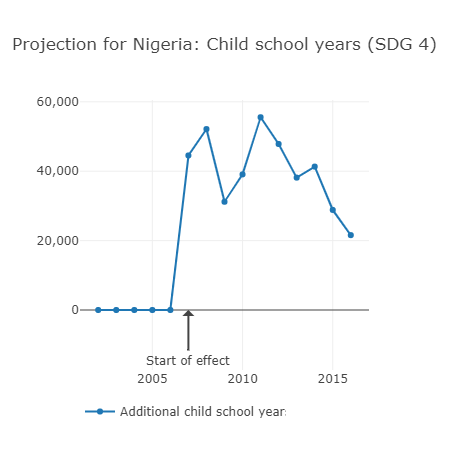
Consider the hosts of the GPE summit. Nigeria is estimated to lose US$10.8 billion a year, or 2.4% of the country’s GDP. For education, over a ten year period an increase in government revenue of 19.67% would be associated with 400,000 children receiving an extra year of education, or roughly 40,000 every year (2). With similarly dramatic losses projected in each other area of public services, it is unsurprising – but most welcome – that Nigeria has been at the forefront of demanding international progress against tax abuse. Nigeria is championing the important UN FACTI Panel recommendations for a new and fairer global architecture to fight illicit financial flows, for example, and standing against OECD proposals on corporate tax that would give the great bulk of new revenues to the richest countries.

The UK loses even more tax from corporate and individual tax abuse – an estimated US$10 billion lost to global tax abuse committed by multinational corporations, and nearly three times that to offshore tax abuse by individuals – roughly US$600 per person. As a high income country, however, the public financial constraint on access to affordable education in the UK is less binding when compared to lower income countries. And indeed, the UK’s losses are in no small part the result of the country’s deliberate strategy of positioning itself at the heart of a network of financial secrecy jurisdictions and corporate tax havens, the legacy of the British Empire. But that strategy means that the UK is responsible for imposing major revenue losses on other countries, with harsh impacts on the available resources for public services in lower-income countries – not least, public education.

The GPE Summit, continuing today, presents a real opportunity for governments, policy makers and a cross section of civil society groups to look hard at and address the financing of global education. As MaryJacob Okwuosa, National Coordinator at Activista Nigeria and Founder at Whisper To Humanity, said this week, “It is time for GPE to take tax seriously” and by implication the governments of the world. That seriousness must be reflected in an intersectional approach to substantive equality in education for girls and women learners.

The technical nature of tax issues may be seen or projected as problematic, but the decisions needed are political, and simple. The GPE should recognise explicitly that tax is the sustainable source of finance for public education, and lend its weight to international efforts to redress the global inequalities that face lower-income countries in exercising their taxing rights.


Sources: (1) Yoram Rabin, The Many Faces of the Right to Education, in D. Barak-Erez and A. Gross (eds), Exploring Social Rights Between Theory and Practice, 2007; (2) GRADE https://med.st-andrews.ac.uk/grade/research/

Resources:

Tax Justice & Human Rights: The 4 Rs and the realisation of rights
Domestic Financing: Tax and Education

Tax justice cuts through every struggle for justice: conference recap

It’s been two weeks since our Annual Conference but the buzz and energy is still running through our heads and hearts. This year’s Annual Conference, the theme of which was Tax Justice and Human rights, was particularly special to many of us, not just because it marked a return after last year’s conference was cancelled due to the pandemic, but because it also exemplified the way in which tax justice over the past years has been widely adopted into so many spheres for social justice.

The conference launched a foundational report explaining the linkages between tax justice and human rights. In her Foreword, Irene Ovonji-Odida, Ugandan lawyer and women’s rights activist and also a member of both the High Level Panel on International Financial Accountability, Transparency and Integrity for Achieving the 2030 Agenda (FACTI Panel) and the Independent Commission for the Reform of International Corporate Taxation (ICRICT), explained how the report:

navigates through some of the most salient issues and helps to map the alarming contours of the human rights impacts, [and]…at the centre of these abuses are high-income countries and their dependent territories, and the wide circles of tax and other professionals

Supported and co-hosted by the Association of Accounting and Business Affairs (AABA); City University, London; and the Tax and Gender Working Group of the Global Alliance for Tax Justice (GATJ), this year’s conference fuelled an energy and a host of conversations which reflect the growth of influence of the global tax justice movement, and the credibility and relevance of tax justice positions for those advocating for human rights and ending inequalities.

The conference opened with Prof Prem Sikka from AABA, founding partner of the conference, Member of the UK House of Lords and Senior Adviser to the Tax Justice Network, presenting a shameful picture of the scale of wealth and income inequality in the UK. While a tiny minority of citizens in the UK are enabled to compound their wealth to obscene levels many, many more live in poverty. Prof Sikka was quick to point out this pattern of wealth and income inequality is one repeated in every country across the globe.

Prof. Sikka took the opportunity, as is tradition at our annual conference, to recognise and honour individuals who have worked to support and promote the work of tax justice. This year, awards were given to Cathy Cross a longstanding Board member of the Tax Justice Network and to James Henry, a Senior Adviser to the Tax Justice Network.

Prof Anastasia Nesvetailova of the Political Economy Research Centre at City University of London (CITYPERC) opened her remarks by noting that the Biden tax plan, whatever its faults and there is indeed much that has been critiqued, is a compliment to the work of the Tax Justice Network and a recognition of the importance of the tax justice movement’s campaigning and analysis. Jeannie Manipon, from Asian Peoples’ Movement on Debt and Development (APMDD) and representing the Tax and Gender Working Group, concluded the welcome address by drawing attention to the opportunities and imperatives for a transformative agenda which places people and the planet at the centre of the movement’s thinking and action. Jeannie echoed a key message from the report launched as the centrepiece of the conference: “Tax justice is, very simply, a feminist agenda.”

Philip Alston, Professor of Law at NYU Law and Chair of Center for Human Rights & Global Justice, and until recently the UN Special Rapporteur on extreme poverty and human rights, encouraged everyone to read the report, and called on civil society to grasp the interconnectedness of tax justice and human rights. The reality, Prof Alston warned, is that any progress civil society organisations make on their issues can and will be “undermined or overturned by changes in the tax system”.

Attiya Waris, Deputy Principal at CHSS, Director Research and Enterprise and Associate Professor of Fiscal Law and Policy at University of Nairobi, and the newly appointed UN Independent Expert on the effects of foreign debt and other related international financial obligations of States on the full enjoyment of all human rights, particularly economic, social and cultural rights; and Steven Dean, Professor of Law at Brooklyn Law School, talked with Alex Cobham, chief executive at the Tax Justice Network, about subtexts and racial bias in tax systems; this theme eloquently and spectacularly built upon by Professor Dorothy A Brown, author of The Whiteness of Wealth, and our first keynote speaker at the conference. Later, the conference was honoured by a second keynote by Andres Arauz, Ecuadorian presidential candidate and tax and social justice campaigner, who framed his comments about efforts to bring back a ‘caring economy’ in Ecuador within the International Covenant of Economic, Social and Cultural Rights. Andres underlined how human rights depends on tax justice and debt justice to bring about the advancement of rights and curtailment of discriminatory policies.

Each year’s conference is marked by the Annual Lecture. This year we invited “a man known for standing with and for those who are perceived as weaker.” Dr Dereje Alemayehu, Executive Coordinator of the Global Alliance for Tax Justice, had a message that was clear and potent. Tensions between tax expertise and tax justice activism is a dynamic that “will always be there”. This is not a point of “discouragement” for activists. The focus of our activism is to mitigate the influence of past colonial powers and to address the “broken and outdated” global tax system they created. Politicking and power relations in the international arena determine our un-wellbeing and failure of rights. Dr Alemayehu warned that tax justice can’t be limited to technical solutions nor the notion that generating more revenue for countries represents justice – the 4 R’s of tax justiceNOTEThe four “Rs” of tax refer to the key benefits that flow from taxation: Revenue, to fund public services, infrastructure and administration.
Redistribution, to curb inequalities between individuals and between groups. Repricing, to limit public “bads” such as tobacco consumption and carbon emissions. Representation, to build healthier democratic processes, recognising that higher reliance of government spending on tax revenues is strongly linked to higher quality of governance and political representation.
demand transparency, universality and equality. Delivered with characteristic compassion, Dr Alemayehu is clear that advancing human rights requires the creation of an organic link and alignment with the human rights movement in the struggle for justice.

On the final day there was a focus on the normative. Kate Donald moderated a session called ‘Going beyond the surface: translating human rights norms into concrete fiscal policy reforms’ and described the conference as a “milestone in bringing these issues [tax justice and human rights] together”. Kate shared encouraging examples of growing recognition of the fact that tax justice was crucial to the progress of rights, equality and sustainable development. Many more sessions also delved into normative approaches including a session on personal and political reflections on new constitutional developments to mitigate inequalities and strengthen rights in Chile.

It is fitting that this year’s spirited conference had a particularly animated conclusion. Pulling together a panel of legal, revenue, development and economic experts rooted in the global south, Irene Ovonji-Odida, lawyer, women’s rights activist, and UN High-Level Panelist, along with Logan Wort, Executive Secretary at the African Tax Administration Forum (ATAF), and Manuel F. Montes, Senior Advisor at the Society for International Development, considered what is next for the global taxing rights process, discussed how critical recommendations can be implemented to ensure tax justice and human rights are at the forefront of global policy making, and, crucially, reflected on the power imbalances and pressures that are imposed by the richest on the poorest.

Few can leave this conference without a sobering understanding of the powerful interests which tax justice and human rights campaigners, researchers and journalists are tackling head on. Their efforts to change structures and systems which fail the economic, social and cultural rights of peoples all over the world is exemplified in their courage, innovation, tenacity and hard graft. The realisation of rights is a collective struggle, as Jeannie Manipon said at the opening of the conference, to re-centre people and planet.

At this year’s conference we honoured the bravery and tenacity of one woman and her family. The Family of Daphne Caruana Galizia were awarded the Anderson-Lucas-Norman Award for Tax Justice Heroism. The award is named after Jean Anderson, Pat Lucas and Frank Norman, three Jersey islanders who were among the first to challenge the financial sector’s state capture of Jersey, sparking the global tax justice movement.

Daphne Caruana Galizia was a fearless investigative journalist. A native of Malta. She, like John Christensen, co-founder of the Tax Justice Network and native of the UK dependency Jersey, was driven by a sense of abhorrence towards the injustice that resulted from the self-interest, secrecy and illicit financial activity operating around her. Knowing that the patterns and scale of activity undermined democracy and the gulf between rich and poor, Caruana Galizia disrupted and frustrated the financially corrupt. She paid with her life. Her family honour her memory by continuing her investigative work and by bringing those responsible for her death to account. Their efforts are both a tribute to their mother, wife and sister, and to all investigative journalists who put themselves at risk.

You can watch Paul Caruana Galizia’s award acceptance speech on behalf of the family. All sessions from the conference are available to watch here.

Our report Tax Justice and Human Rights: the 4 Rs and the realisation of rights can be found here.

The capture of Malta and the fight for justice: the Tax Justice Network podcast, July 2021

Welcome to the latest episode of the Tax Justice Network’s monthly podcast, the Taxcast. You can subscribe either by emailing naomi [at] taxjustice.net or find us on your podcast app.

In this episode Naomi Fowler speaks with Paul Caruana Galizia, one of the sons of Malta’s incredible investigative journalist and anti-corruption champion Daphne Caruana Galizia, who was assassinated in 2017. Paul Caruana Galizia discusses his mother’s legacy, the capture of Malta through an aggressive, over-sized finance sector with financial secrecy at its heart, and his hopes for the future.

You need to be very strong. To do the job that she did you really have to be your own person. You couldn’t be the kind of person who worries what people might think of you, And you really have to say, no, I’m not going to adapt, I’m not going to fall into that mould. I’m going to break it and keep breaking.”

~ Paul Caruana Galizia

The transcript is available here. (Some is automated and may not be 100% accurate)

The capture of Malta and the fight for justice #113

As mentioned in the show, here’s a video of the story of the ‘firestarters of the tax justice movement’ from the tax haven of Jersey:

Here’s a Taxcast special on the tax haven of Jersey: https://www.taxjustice.net/2019/04/26/inequality-and-dysfunction-in-the-tax-haven-of-jersey-a-taxcast-special-edition/ 

The Daphne Caruana Galizia Foundation: https://www.daphne.foundation 

The Taxcast website with more Taxcasts: https://www.thetaxcast.com 

Image: File:Memorial to Daphne Caruana Galizia.jpg” by Ethan Doyle White is licensed under CC BY-SA 4.0

Podcast: The Whiteness of Wealth: Professor Dorothy Brown’s keynote speech

Law Professor Dorothy Brown gave the following keynote speech at the Tax Justice Network annual conference, Professor Brown has been doing trailblazing work on systemic racism and tax justice in the United States for many years, and is author of the seminal book ‘The Whiteness of Wealth: how the US tax system impoverishes black Americans – and how we can fix it’.

A transcript of her edited keynote speech is available here.

You can subscribe to the Taxcast either by emailing naomi [at] taxjustice.net or find us on your podcast app.

Taxcast Extra: The Whiteness of Wealth (2)

You can download this podcast to listen offline here.

Regular listeners to our long-running monthly podcast the Taxcast will have heard episodes 102 and 103 where we looked at just some of the many complex issues around tax and race in the US and the UK context, the roots of structural racism and the lived experiences of people of colour today as citizens, taxpayers and economic actors.

You can hear Professor Brown in conversation with Taxcast host Naomi Fowler and political economist Keval Bharadia in Part 1 of the Whiteness of Wealth, Taxcast Extra.

You can view Professor Brown’s keynote and the Tax rights and Racism panel that followed here:

You can view videos from our online annual conference here.

You can also follow the Taxcast on Twitter.

The image “Locked out of King’s Institute” by Ravages is licensed under CC BY-NC-SA 2.0

The Tax Justice Network July 2021 Spanish language podcast, Justicia ImPositiva: Nuevo impuesto corporativo: estrategia de los países en desarrollo #61

Welcome to our Spanish language podcast and radio programme  Justicia ImPositiva with Marcelo Justo and Marta Nuñez, free to download and broadcast on radio networks across Latin America and Spain. ¡Bienvenidos y bienvenidas a nuestro podcast y programa radiofónico! Escuche por su app de podcast favorita.

En este programa:

INVITADOS

Nuevo impuesto corporativo: estrategia de los países en desarrollo #61

MÁS INFORMACIÓN:

Enlace de descarga para las emisoras: https://traffic.libsyn.com/secure/j-impositiva/JI_julio_21.mp3

Subscribase a nuestro RSS feed: http://j_impositiva.libsyn.com/rss

O envien un correo electronico a Naomi [@] taxjustice.net para ser incorporado a nuestra lista de suscriptores.

Sigannos por twitter en http://www.twitter.com/J_ImPositiva

Estamos tambien en facebook: https://www.facebook.com/Justicia-ImPositiva-1464800660510982/

[Imagen: “Hallway of Flags in the United Nations Building in New York City, Sept. 20, 2019.” by Diplomatic Security Service is marked with CC PDM 1.0]

Tax abuse and human rights: NEW REPORT

“Tax justice is a feminist issue. Tax is a human rights issue.”

Today the Tax Justice Network publishes a new report Tax Justice and human rights: The 4 Rs and the realisation of rights. The report focuses on two main bodies of argument. The first addresses the failure of tax and broader fiscal systems to deliver intersectional equality and human rights. The second highlights how those failures are caused by illicit financial flows and the actors and structures behind them. Together, these arguments provide the backbone of the case for tax justice to be understood fundamentally as a feminist issue and human rights issue. They support the recognition of human rights’ dependence on tax justice to deliver rights and intersectional equality.

Our report, written with contributions from researchers at the Universities of Leicester and St Andrews School of Medicine (GRADE) in the UK and presented at the annual Tax Justice Network conference today (6th July), models the impact that the $427 billion lost globally could have if it went to governments rather than tax havens. GRADE modelling tells us that if there were an increase in government revenue equivalent to the tax abuse, for countries where there is data available, the additional numbers accessing their fundamental human rights projected over a ten year period would be as follows:

• Sanitation – 34 million people.
• Drinking water – 17 million people.
• An additional year at school – 3 million children.
• Mortality reduction – 600,000 children and 73,000 mothers.

This shocking analysis reinforces previous research acknowledging the importance of revenue to make a well-functioning, democratic and accountable government that fulfils its obligation as a duty bearer of human rights. It also underlines that while the absolute scale of revenue lost from tax abuse in high income countries is greater than in lower-income countries, smaller losses have a more profound impact on improving the rights of people in low income countries.

Women and girls who make up over half of the world’s global poor can therefore disproportionately benefit from increased access to sanitation and drinking water, and to additional years in education. Through progressive advancement of these ‘gatekeeper’ rights, women and girls – especially those most marginalised, gain increased opportunities for greater well-being and development.

Finally, the report calls for a shift in power. It recommends an urgent step change in the reform of global tax rules. Specifically, the report calls on governments to establish an ABC of tax transparency and to support the FACTI Panel recommendations for greater fiscal accountability and transparency. Pivotal to this is the establishment of a UN Tax Convention that will set international standards of transparency and cooperation, a UN intergovernmental body to set global tax rules and a decisive shift of power away from the OECD, the existing tax ‘rule setter’ and widely acknowledged as a ‘rich countries club’. The establishment of a Centre for Monitoring Taxing Rights is seen as crucial in analysing and understanding the impact of the scale and distribution of tax and to ensure that structurally and systemically the approach to policy reform is both gendered and intersectional and can support the advancement of the full range of human rights.

Download the report here

The press release is here

Tax Justice Network Arabic podcast, edition #43: هل يحمي الحد الأدنى للأجور المصريين من التضخم؟

Welcome to the 43rd edition of our Arabic podcast/radio show Taxes Simply الجباية ببساطة contributing to tax justice public debate around the world. It’s produced and presented by Walid Ben Rhouma and is available for listeners to download. Any radio station is welcome to broadcast it for free and websites are also welcome to share it. You can join the programme on Facebook and on Twitter.

هل يحمي الحد الأدنى للأجور المصريين من التضخم؟
في حلقة هذا الشهر (# 43) من برنامج "الجباية ببساطة" ، نبدأ بتغطية آخر الأخبار المتعلقة بقضايا العدالة المالية على مستوى المنطقة العربية والعالم. في الجزء الثاني، كانت لنا مقابلة مع كريم مجاهد ، الباحث في الاقتصاد السياسي، ناقش فيها معركة تطبيق الحد الأدنى للأجور في مصر منذ عام 2011، ومدى إمكانية تطبيق القرار في القطاع الخاص بالإضافة لآثاره الاجتماعية والاقتصادية.
هل يحمي الحد الأدنى للأجور المصريين من التضخم؟

تابعونا على صفحتنا على الفايسبوك وتويتر https://www.facebook.com/ TaxesSimply Tweets by taxes_simply

Commerce et conventions fiscales : L’Afrique perd au lieu de gagner

Pour l’Afrique, les pertes de ressources fiscales qui auraient pu renforcer les moyens de financer son développement, s’élèvent à 25,77 milliards $ chaque année, selon le rapport sur l’Etat de la Justice Fiscale (SOTJ) dans le monde publié par Tax Justice Network le 20 novembre 2020. Une réflexion et des campagnes sont menées tant au niveau de la région, que par des instances internationales, pour inverser la courbe et redonner une plus grande capacité financière aux gouvernements du monde entier, notamment ceux qui sont économiquement plus faibles. C’est dans cet ordre d’idée, qu’un Groupe de haut niveau sur la responsabilité financière internationale, la transparence et l’intégrité, connu sous le nom de Panel FACTI, a été mandaté le 2 mars 2020 par le 74e président de l’Assemblée générale des Nations Unies et le 75e président du Conseil économique et social pour réfléchir sur ces questions. 

Le Panel FACTI a publié son rapport le 25 février 2021, dans lequel il formule une série de 14 recommandations. De manière générale, les différents points de revendication de la société civile internationale sont défendus par ce rapport. Par exemple, les objectifs de Tax Justice Network de promouvoir au niveau mondial des mesures telles que l’échange automatique d’informations, la communication d’informations financières pays par pays, la mise en place de cadres juridiques pour connaître les bénéficiaires effectifs et la mise en place d’un registre mondial complet des actifs sont pris en compte. Toutes les recommandations sont regroupées autour de trois pôles, comprenant les valeurs à mettre en œuvre, les politiques à entreprendre et les institutions qui accompagneront l’ensemble du processus. Elles plaident aussi pour l’adoption d’un modèle de convention fiscale international défini par les Nations Unies.

Ces recommandations du Panel FACTI reposent sur trois piliers, dont celui des valeurs, de la politique et des institutions qui seront au cœur de la réforme du système financier international. Pour ce qui est des valeurs, les pays et autres parties prenantes sont invités à faire preuve de plus de responsabilité, de légitimité, de transparence et de justice dans l’exécution des opérations financières. Par rapport à la politique, il est prescrit de mettre un accent sur l’identification des facilitateurs des FFI, l’inclusion de Société civile dans la recherche des solutions efficaces face au problème. Enfin le rapport plaide pour un cadre international de gestion de ce problème, avec un accent sur l’échange automatique des informations. Dans l’ensemble, la société civile africaine a accueilli favorablement ces recommandations. Certains, ont cependant émis de petites réserves sur le fait que le rapport de l’organe des Nations Unies ne donne pas une place plus importante au secteur du commerce international, qui est plus fondamental dans les flux financiers illicites en Afrique que l’économie numérique au cœur de l’attention des pays développés.  

<< Les flux financiers illicites en Afrique proviennent principalement de trois sources. Blanchiment d’argent, flux financiers illicites fondés sur la fiscalité et enfin flux financiers illicites fondés sur le commerce. Selon le rapport du groupe de haut niveau de l’Union africaine Thabo Mbeki sur les flux financiers illicites en Afrique, la région est plus susceptible de souffrir des FFI à travers le commerce. Ce que nous constatons, c’est que ces questions étant à l’ordre du jour mondial, d’autres priorités sont maintenant mises en avant », a déclaré Chafik Ben Rouine, président de l’Observatoire de l’économie tunisienne, une organisation membre du réseau Tax Justice Network Africa, lors d’un récent échange entre les organisations de la société civile d’Afrique francophone et l’un des membres du Panel FACTI. L’Afrique ne rejette pas l’idée d’une taxation du digital. La question a d’ailleurs fait l’objet de discussion par ses experts, notamment dans le cadre de la conférence panafricaine sur les FFI Organisée par Tax Justice Network Africa en 2019.

Mais plusieurs parties prenantes de la région y compris la Commission Economique des Nations Unies pour l’Afrique, sont d’avis que les questions commerciales devraient être plus présentes, sur les débats internationaux, en matière de FFI. En effet, Selon un rapport de la Commission des Nations Unies sur le commerce et le développement (CNUCED) publié le 28 septembre 2020, l’Afrique a perdu chaque année 88,6 milliards de dollars entre 2010 et 2015 à travers la fuite de capitaux. Environ 40 milliards seraient liées au commerce. En ce sens, Tax Justice Network a développé des mesures de risques de flux financiers illicites via le commerce. La fuite des capitaux dans ce domaine peut prendre la forme de fraude fiscale à la douane, de surévaluation ou de sous-évaluation afin d’optimiser sa base fiscale ou de soustraire indûment des fonds à la corruption et au blanchiment d’argent. Outre les données sur le commerce des biens, les données sur les portefeuilles d’investissement publiées par le Fonds Monétaire International (FMI) sont également examinées, de même que celles de la Banque des Règlements Internationaux.

D’autres études sur les flux financiers illicites ont établi que l’Afrique se positionne comme une créancière nette du monde, et non la grande débitrice susceptible de constituer un risque pour ses investisseurs. Le rapport du Panel FACTI aborde également de manière pertinente la question des conventions fiscales en tant que source de flux financiers illicites, dans la mesure où elles sont parfois signées au détriment des pays les plus faibles. Mais cela ne semble pas lui donner une importance suffisante par rapport au rôle d’amplificateur de FFI que ces conventions ont dans le continent. Dans un rapport publié par le FMI en 2018, il est clair que les conventions fiscales dans plusieurs pays africains n’ont pas toujours permis d’attirer les investissements escomptés. Pourtant, des centaines de conventions fiscales avantageuses pour les pays riches continuent d’être en place en Afrique. Parmi les pays les plus agressifs du continent figurent la France, le Royaume-Uni, Maurice et les Émirats Arabes Unis. 

Quelques possibilités en vue d’améliorer la situation actuelle 

Ces considérations nous amènent à proposer une voie en avant pour une meilleure prise en compte des priorités  des pays Africains dans le débat international concernant les flux financiers illicites. 

  1. Le rapport du Panel FACTI, dans le cadre de ses recommandations, suggère que la société civile soit impliquée dans l’élaboration des politiques internationales. Au niveau africain, les gouvernements devraient impliquer ces acteurs de manière obligatoire, lors de leurs discussions sur la fiscalité internationale, mais aussi dans la signature ou la gestion des conventions internationales, qu’elles soient fiscales ou commerciales. 
  1. Il serait également souhaité que les gouvernements africains, conformément à la recommandation du Panel FACTI sur la gouvernance nationale, créent une plus grande synergie entre les administrations fiscales, les douanes, les agences d’enquête financière et les banques centrales afin de mieux surveiller les flux financiers illicites à travers le commerce. Ces synergies permettraient d’améliorer l’efficacité des institutions, tout en permettant une meilleure qualité des données économiques permettant d’analyser ces flux. 
  1. Pour les sociétés civiles des pays africains qui ne disposent pas d’outils pour développer un plaidoyer solide, ainsi que pour les gouvernements en quête de mécanismes effectifs pour lutter contre l’évasion fiscale, et réaliser leurs ambitions de mobilisation de ressources, l’utilisation des solutions gratuites en ligne peut être décisive. En ce sens,  Tax Justice Network dispose de plusieurs outils, tels que le Financial Secrecy Index, le CorporateTax Haven Index et le Illicit Financial Flows Vulnerability Tracker

Global minimum corporate tax: questions grow over OECD commitment to ‘inclusive’ reforms

Whilst discussion and agreement on a global corporate minimum tax is historic, we consider it our job to challenge organisations like the OECD and to always push for better. We are sharing below our short statement on the OECD Inclusive Framework, supposed to be a space for all nations to contribute to developing tax standards and implementation.

But before that, it’s worth reading the Tax Justice Network’s Alex Cobham‘s thoughts which he shared on one of his famous long twitter threads:

Some commentators have been concerned about the risks of the very negative reactions to the OECD proposal, from a number of countries and groups, and from some activists – including us. Here’s another thread looking at the risks on each side:

GLOBAL MINIMUM TAX CONFIRMED, BUT QUESTIONS GROW OVER OECD COMMITMENT TO ‘INCLUSIVE’ REFORMS

We note the statement from the Inclusive Framework, and the failure to acknowledge there the many countries that are known to have expressed serious reservations over the deal. After much speculation about concessions to lower-income countries, there is little progress here at all compared to the previous iteration.

‘Pillar 1’ remains a narrow reallocation only, of a small part of the global profits of the largest and most profitable 100 or so multinationals. Most countries, and especially lower-income countries, are unlikely to recoup the revenue they may lose from eliminating their DSTs if required to do so.

‘Pillar 2’, the global minimum corporate tax rate, remains of much greater importance, but deeply unfair. Even a rate as low as 15%, rightly decried by Argentina, by the Independent Commission for the Reform of International Corporate Taxation (ICRICT) and by many lower- and higher-income countries for the lack of ambition, could raise $275 billion of additional revenues if applied globally. That would make it the biggest change in tax rules for a century – but the G7 countries alone, with just 10% of the world’s population, would take more than 60% of those revenues.

Alex Cobham, chief executive of the Tax Justice Network, said:

“A higher effective global minimum tax rate, coupled with fairer distribution of the resulting revenues, would deliver greater benefits for almost every country – even including many of the OECD members which operate as corporate tax havens. But instead the OECD is forcing through a proposal that gives little to lower-income countries, and leaves much of the incentive for profit shifting intact.

“To force through such an unfair reform, giving the lion’s share of revenue to the largest OECD members when lower-income countries lose the greatest share of tax revenue to corporate tax abuse, is shocking. To do so during a global pandemic when the need for revenue to support public health, and economic recovery, is greater than ever, is unthinkable.

“The global minimum corporate tax rate can mark the beginning of the end of the race to bottom on corporate tax. But the OECD increasingly looks unable, or unwilling to deliver a fair and effective reform. Countries should take the opportunity to push ahead with their own reforms, and consider the possibility of future negotiations being held under UN auspices instead.”

-ENDs-

Contact the press team: [email protected]

Notes to editor:

  1. OECD statement: https://www.oecd.org/tax/beps/statement-on-a-two-pillar-solution-to-address-the-tax-challenges-arising-from-the-digitalisation-of-the-economy-july-2021.pdf.
  2. Our analysis of the shortcomings of the OECD proposal for the global minimum corporate tax rate: https://taxjustice.net/2021/06/04/is-today-a-turning-point-against-corporate-tax-abuse/.

The Tax Justice Network’s French podcast: Le digital peut être au service de la Justice fiscale, mais des défis demeurent, Edition 29

Pour cette 29ème édition du podcast francophone édition de votre podcast en français Impôts et Justice Sociale avec Idriss Linge, nous revenons sur la fiscalité minimum des multinationales en rapport aux services du digital. 130 pays dans le monde ont finalement trouvé un accord pour un seuil minimum d’imposition de grandes entreprises, mais de nombreux défis demeurent. Du digital, il en a aussi été question lors des rencontres annuelles de la Banque Africaine de Développement, comme un levier pour l’amélioration des ressources domestiques. Toujours sur ce sujet, les mairies de la francophonie souhaitent tirer profit des activités commerciales digitales en les taxant, et on mené une réflexion y relative à Yaoundé au Cameroun. Enfin, le Cameroun est restauré dans le processus ITIE, mais les questions de propriétés réelles et de Publication de contrats sont encore de grosses préoccupations.

Interviennent dans ce programme:

Le digital peut être au service de la Justice fiscale, mais des défis demeurent #29

Vous pouvez suivre le Podcast sur:

What does Brexit mean for tax havens and the City of London?

By Nicholas Shaxson

It is Mansion House time again. Every year Britain’s Chancellor (finance minister) makes a speech at Mansion House, a spiritual home of Britain’s financial sector and the official residence of the Lord Mayor of London, where he (the Chancellor is always a ‘he’) declares his love and support for the country’s oversized financial sector, promises to tread lightly on tax and regulation, and urges it on to greater glories.

The latest speech just given by the current Chancellor, Rishi Sunak, was no exception, praising ‘ground breaking’ new financial services deals with the tax havens of Singapore and Switerland, defending “the global norms of open markets,” and “sharpening our competitive advantage in financial services.”

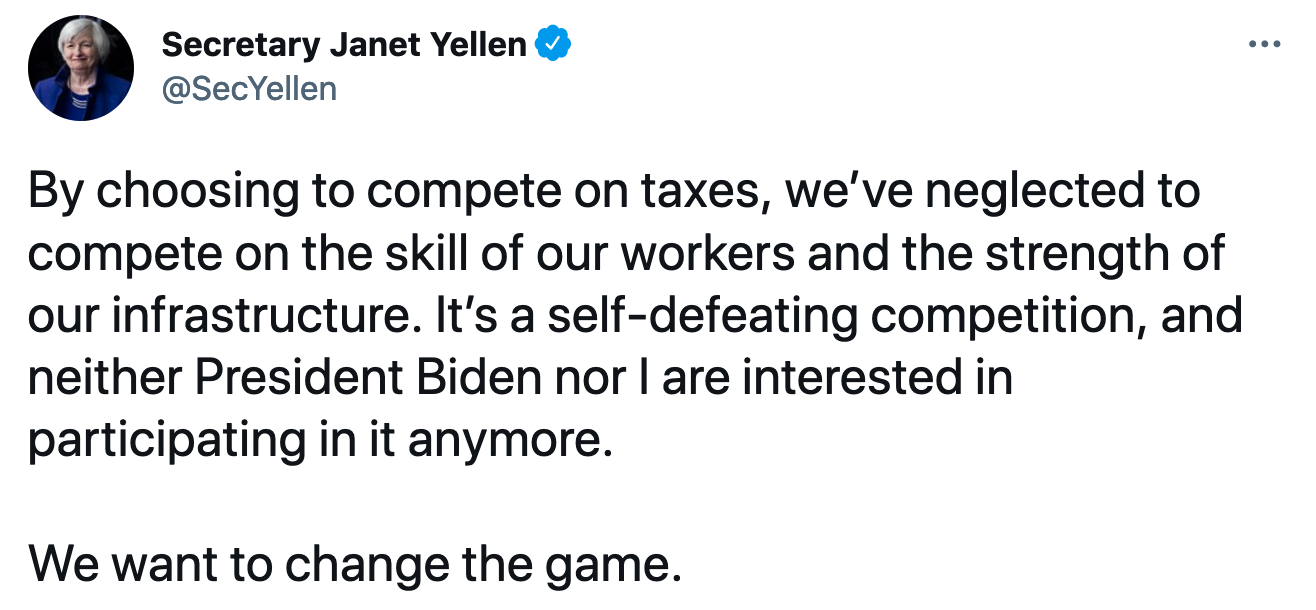
The words ‘competitive advantage,’ or ‘competitiveness’ when applied to a financial sector, are clear warning signals for those of us who look closely at these things. To be precise, they are signals of a dangerous ideology, one that prioritises the interests of mobile financial capital over those of broad populations and democracies. And since Britain formally exited from the European Union last December 31st, these signals have been coming thick and fast.

In January, for instance, Greenpeace UK launched a petition containing this:

“Bee-killing neonicotinoids have been banned across Europe since 2013, but the UK government has just approved these deadly chemicals.”

A few hours later, the Financial Times published this:

“UK workers’ rights at risk in plans to rip up EU labour market rules.”

Soon afterwards, Big Four accounting firms appeared to be delighted about plans to opt out of certain EU transparency rules about abusive tax arrangements. There has been talk of loosening stock market listing regulations. We hear that the UK is relaxing regulations on ‘dark pools’ – profitable trading platforms for investors, away from scrutiny, and potentially cutting back on various other finance-related rules and regulations. The government has announced plans for “freeports” (or “sleazeports,” hat tip) which have a record around the world for hothousing criminality and abuse and failing to boost even local economic growth. The UK is stepping outside an EU ban on exports of potentially toxic plastic waste to lower-income countries. Fears are rising that the UK may position itself as a “data haven” of lax standards, to attract predatory data-hungry businesses. The Penrose Report, an official review of UK competition policy released in mid-February, looks like another deregulatory push in a “power to the people” packaging. Forces are now pushing hard for a new super-regulator to ensure that UK finance regulators are more “supportive” of the City of London.

Inside the ruling Conservative Party there has been a clamour for a wider “bonfire” of regulations and tax cuts, even as they continue to pursue broad austerity for the majority of the population. As one wag put it on twitter:

“We have a rather crap car in this race, so we can make it ‘competitive’ by removing the roll cage, fire extinguisher, mirrors, brake lights etc.”

It’s a strategy to win a supposed race, that carries, shall we say, risks.

Power struggle

The deregulators don’t have it all their own way. Many remember the carnage of the last global financial crisis, spurred in large measure by “competitive” deregulation of this kind, much of it happening in London under a Labour government. (There are voices among the ruling Conservatives urging caution too.)

Even Chancellor Sunak seems divided, up to a point. He has joined the arsonists in advocating a “Big Bang 2.0” for the City of London – a reference to Margaret Thatcher’s explosive deregulation of finance in the late 1980s, which helped lay the conditions for the global financial crisis and the rise of finance into a near-invincible position of power in the UK. On the other hand, the same Chancellor Sunak recently hiked headline corporate tax rates significantly and admitted – shockingly to many Conservatives – that:

“Over the last few years haven’t seen that step change in the level of capital investment that businesses are doing as a result of those corporation tax reductions.”

UK Chancellor Rishi Sunak

Many bosses of big businesses and even finance companies are saying they don’t want to slide further along this slope either. More striking still, even the tax directors of major multinationals are saying that tax cuts hardly influence investment decisions, and that they largely support higher taxes on multinationals as part of wanting to “do the right thing.” This line of thinking is the opposite of the race-to-the-bottom “competitive” mentality, and there are extremely welcome signs coming from the United States now, where the Biden Administration has made some profound philosophical shifts in this area, as we’ll see below.

But in the UK, the deregulators have the upper hand

Yet in terms of public policy, the overall direction seems to be downwards, into a post-Brexit race to the bottom, as we have warned before.

Britain is walking further along the tax haven road – a strategy of degrading taxes, rules and enforcement in the hope of luring money from the oceans of mobile capital that roams the world hunting for kid-glove treatment, secrecy and handouts. Brexit, according to this model, ‘frees Britain to compete’ without burdensome EU regulations to hold it back. This would, as the Tax Justice Network’s John Christensen said in a speech to the European Parliament in 2019, “give the fox full access to the henhouse.”

The EU is taking a dim view of this broad direction, with almost no current prospects for the City of London to be granted “equivalence” status which would recognise the UK’s regulatory regime to be good enough to allow UK-based financial firms to sell services seamlessly across the EU. In the absence of equivalence, significant financial activity has already migrated to Europe.

This article will explore four big questions. Where does this “competitive” model come from? Was Brexit “caused” by tax haven actors and the City of London financial centre? Who will win, and who will lose, specifically, if this bonfire of financial regulations goes ahead? And how could Britain channel this momentous rupture in better, healthier directions?

Along the way, this article will expose the great ‘national competitiveness’ hoax and show why a strategy of pursuing this rootless global capital does not just hurt other nations: it harms Britain too.

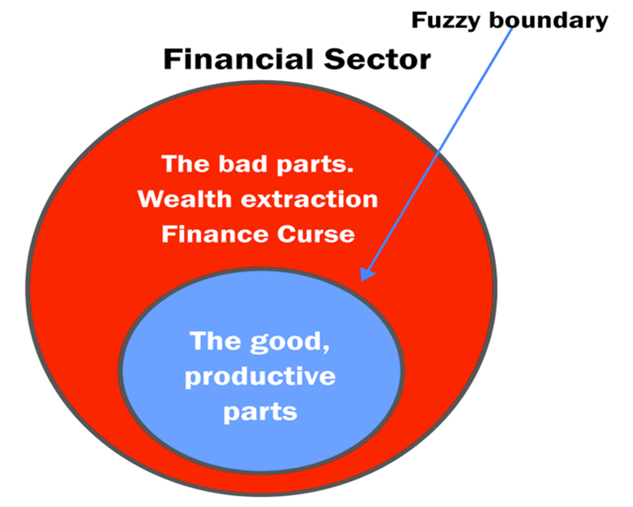
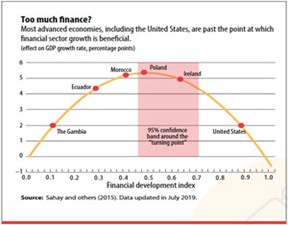
Once we understand this we can see how Britain can act unilaterally in its own interest, doing exactly the opposite of what a supposedly “competitive” strategy would entail, and without needing to be part of a collaborative international project like the EU. A clear alternative path would re-invigorate British democracy and boost prosperity at the same time. This path lies in actively seeking to shrink the financial sector back to its useful core, and to implement “smart capital controls” in particular ways to exclude harmful financial activity from the UK.

How did we get here? Empire 2.0

Was the City of London financial centre and the “offshore interest” in Britain behind Brexit?

Not exactly. Many if not most people and institutions in the City of London actively opposed Brexit. Most of Britain’s large banks, law firms and insurance businesses had long grown used to the rules of the EU Single Market, which granted them “passporting rights” allowing them to establish branches in and do business across the zone with minimal cross-border kerfuffle, while being regulated and supervised in their home country. British tax havens like Jersey and Guernsey were mostly not cheerleading the Brexiteers: although they were previously locked out of the Single Market for financial services, suggesting that Brexit may not be such a rupture for them – it will be hard, because without Britain to lobby for them in Brussels, they are now more vulnerable to things like EU blacklists.

No, the British rupture with Europe has many fathers: Europhobic media barons; genuine anger at distant and élite EU technocrats (and at a mostly pro-EU British élite establishment that helped deliver the global financial crisis and other marvels); billionaires buying influence or mis-direct public anger about inequality and deprivation towards “wokeness” and other cultural memes; or dark-money funding for Brexit politicians who then lied about the benefits of Brexit, and more.

But finance, and especially offshore finance, certainly played a big role. To grasp this, it is necessary first to understand how finance gained such a grip on British politics, society and even culture – and how the “offshore interest” became so powerful within the financial establishment.

City of London skyline
The City of London skyline

The City of London, (or “The City,” the colloquial term for the UK’s financial services sector,) was the “governor of the imperial engine,” as the historians Cain & Hopkins put it in their seminal title British Imperialism: it was the big global turntable for loans and finance across the colonies and beyond. The City grew rich and powerful, and became the dominant political force in Britain, particularly since the 19th Century.

After the finance-induced Depression of the 1930s, the world began to appreciate more keenly the dangers of letting finance become too dominant, or flow freely across borders. After the Second World War governments implemented progressive economic policies: eye-wateringly high taxes on rich people; nationalisations, powerful antimonopoly stances – and stringent controls over finance, including very tight curbs on cross-border financial flows.

This financial ‘repression’ and progressive policy-making lasted for a quarter-century after the War. The City and Wall Street loathed it – but it fostered what is now called the “Golden Age of Capitalism”: economic growth was higher, and more broad-based, than in any period of world history, before or since. (For more on all this, read this or watch this.)

As prosperity spread widely, however, powerful forces were already massing against the controls.

The first happened around the time of the Suez crisis of 1956, when Britain and France lost control over the Suez canal in a humiliating defeat. Colonies saw how weak the war-shattered imperial powers now were, and a wave of decolonisation followed. Britain’s dominant élites were doubly horrified because of their double sense of entitlement: first, that Britain should “rule the waves”, and second, that a certain class of finance-focused, overseas-looking ‘gentlemen’ should rule Britain. These people began looking for a grand new post-imperial role – and they found it in a new offshore model.

A new strain of finance emerged in London in 1956, the year of the Suez crisis. Essentially, banks began doing international business in London that wasn’t denominated in the Pound Sterling currency and was thus not plugged into the British economy. This wasn’t allowed under the international “Bretton Woods” rules to curb cross-border financial speculation, but the Bank of England decided to treat the activity as if it were happening “elsewhere” (which meant, in effect, nowhere) and opted not to regulate it.

Foreign banks, especially American banks, noticed fast: operating in this libertarian “offshore” zone was far more profitable than under the tight “onshore” controls, and this so-called “Eurodollar” market grew explosively. Meanwhile, a string of British “Overseas Territories” and “Crown Dependencies,” the residue of Empire, still substantially under British control, began to carve out niches as tax havens, offering secrecy and an almost complete absence of rules. Bankers in these territories – including Bermuda, Cayman, the British Virgin Islands and Jersey – began gleefully hoovering up drugs money and the proceeds of all sorts of other nefarious activity. This “Spiderweb” of British tax havens got plugged into the London-based Eurodollar market, while other non-UK tax havens joined in, from Switzerland to Panama, creating a rather seamless offshore zone where money could flit across borders at the click of an accountant’s pen (and, later, at the click of a computer mouse.) This system for escaping the Bretton Woods controls became the silent, hard battering ram of global finance, which from the 1970s onwards began punching ever bigger holes in the leaking international controls that had underpinned the Golden Age of global prosperity and stability.

Along with this battering ram came a story, a complementary ideology: a globalised version of what gets called neoliberalism. Neoliberalism is the idea that anything that isn’t nailed down should be sold off to the private sector and thus shoveled into the price mechanism and the rigours of “the market,” which would constantly sort everything into winners and losers and thus deliver the best and most efficient possible world. A wave of think tanks and academics, often based in Chicago, began to wield clever models full of mathematics, to push the idea that universities, hospitals, train networks – even the office buildings under the feet of Her Majesty’s tax inspectors – should be sold off, to be sorted by the hyper-efficient sorting machine of the market.

But it wasn’t just people and things and public life that needed to be judged by “the market”. Under a vision first formally theorised by the US academic Charles Tiebout – who first offered his theory up as a joke – it was whole countries too, which could “compete” heroically in a Panglossian market-based global sorting machine. Each nation would offer bundles of tax rates and regulation, together with packages of infrastructure and educated and healthy workforces, for the delectation of rootless capital. Investors would flit from one jurisdiction to the next in great shoals, ripping their kids out of schools and uprooting their factories, at the drop of a tax inspector’s hat.

In this formulation, society was absent and financial capital, picking and choosing from this global smorgasbord, was firmly in the driver’s seat. Countries had no choice but to be “competitive”: low taxes, loose regulations, an absence of “red tape,” and no ‘snooping’ on the activities of clever people by clod-hopping government bureaucrats. Financial secrecy was all the rage.

The Competitiveness Agenda

British Prime Ministers, from Margaret Thatcher to Tony Blair to Boris Johnson, fell under the sway of this “Competitiveness Agenda.”

To foreign audiences, as the historian Matthew Watson put it, Blair spoke of the opportunities from globalisation and from investing in Britain, managing expectations upwards; while to domestic audiences, he managed expectations downwards, couching globalisation as more of a threat: that business interests needed to win out over workers, taxpayers, and the general public (p103).

This wasn’t just a British agenda: a raft of “Third Way” politicians around the world had similar views that rootless global capital must be pandered to. Witness US President Bill Clinton’s belief in kow-towing to finance for “competitiveness’” sake, or Germany’s Harz reforms to underpay German workers in order to promote German exports, for example. What set the British model apart from many others was the focus on finance: the most dangerous of all the sectors to play around with.

In 2005, just ahead of the global financial crisis, Blair urged that we “roll back the tide of regulation,” decried “over-zealous enforcement,” and advocated that “those doing well get a light touch approach.” He attacked financial regulators for being “hugely inhibiting of efficient business by perfectly respectable companies that have never defrauded anyone.”

UK Prime Minister Tony Blair and US President Bill Clinton in September 1998

The global financial crisis that erupted soon afterwards, and the public anger that followed, should have consigned this Competitiveness Agenda to the dustbin of history. After all, it merely gave substance to what every sane economist has always known, that this kind of “competitiveness” is, as the economist Jonathan Portes put it, “meaningless fluff. . . a distraction from what is really going on” (p106). We will explore this, further down.

The zombie agenda lives again

Such was the idea’s potency, however, and its deep grip on Britain’s politics and culture, not to mention its convenience to the finance-heavy ruling classes, that it survived – softened after the crisis somewhat, but still very much alive today.

Before the global financial crisis, UK financial laws referred to the “desirability” of maintaining Britain’s competitiveness in financial regulation. The word was expunged from the lexicon after the crisis, and in particular from the 2012 Financial Services Act, amid a widespread recognition that it was a ‘competitive’ race on laxity between New York and London in particular that caused so much of the damage. Yet although the c-word was mostly expunged from public discourse after the crisis brutally exposed its bankruptcy, it was merely driven below the surface, waiting, hoping, to return.

Like mushrooms that are merely the surface fruitings of giant underground fungal organisms, a host of dog-whistle phrases signified the survival of the Competitiveness Agenda: “open for business;” “global, free-trading Britain;” “freedom to compete;” “top-ranked financial centre;” “proportionate financial regulation.” and still, at times, despite everything that happened in the crisis, a “competitive” tax system or financial sector” (e.g. Section 2.44) Some talk of a “Singapore on Thames” model, with the Asian tax haven as being something to aspire to, without thinking too hard about the parallels.

The concept is now, post Brexit, rallying for a comeback. A new Financial Services Bill, now being processed, has snuck worrying clauses back in, with a proposed duty for regulators to “have regard” for the attractiveness of the UK as a place for “internationally active investment firms to be based or to carry on activities.” That is the competitiveness agenda, by stealth, right there. More openly, a new report from a Task Force for Innovation, Growth and Regulatory Reform calls repeatedly for using regulatory laxity, and shows that people are becoming bolder about using the c-word again, with sentences like: “UK regulation can be a significant driver of our international competitiveness.” (Watch a data privacy expert skewer the report, here.)

Brexit, in this view, has been a chance to let Britain stride forth in the world, unburdened by Brussels’ red tape, and to “compete” again with the greatest, putting British businesses on their toes, spurring them to ever greater feats of dynamism and innovation.

This Competitiveness Agenda dovetails with another alluring idea, again broadly supported by the general public because it sounds reasonable and most people haven’t thought too hard about it. This is the idea that Britain’s route to national prosperity is through growing the City of London financial services sector. As in, ‘More finance makes us rich: and too much tax and regulation here will make the City ‘uncompetitive’ so we’ll hurt the country. So we must swallow our envy and just let those clever rich people do their thing and generate the wealth and the jobs and take the tax revenues where we can.’

The leading proponent of this Big-City ideology is TheCityUK, a peculiar public-private lobbying force, “directed, organized, co-ordinated and encouraged by a state agency as a matter of strategic national importance,” whose speciality is to publish glowing but utterly twisted assessments of the “contribution” of the finance centre to the UK economy – reports that are often regurgitated by busy (or craven) finance journalists.

The essence of this idea – that the financial sector is Britain’s goose that lays the golden eggs, and must be treated deferentially –well, who questions it? Former Bank of England governor Mark Carney pursued it, gushing in 2017 about the prospects of a City twice its size if Brexit goes well. The link between this idea and the Competitiveness Agenda is simple: if a bigger City makes Britain more prosperous, and mobile finance can flee elsewhere if it doesn’t get what it wants, shrinking the City, then Britain has to pursue ‘competitiveness’ in financial services, to make financial services bigger, in the national self-interest.  

We will soon explore why the very foundations of this vision rest on elementary fallacies and intellectual quicksand. But first, it is worth briefly side-tracking into a darker, crystallised version of this vision: a mini-ideology held by a small but powerful vested interest, with its own élite sub-culture and its own outsized impact on Brexit.

The offshore vested interest

Britain’s government, and to a degree its political system, media and even society, has come significantly under the thrall of a loose, rather libertarian alliance (or “solar system”) of influential people plugged into offshore tax havens. The players in this ‘offshore’ interest nursed a mix of reasons, personal, political and ideological, behind their support for Brexit. Some, like tax haven financier Arron Banks, funded key Brexiteer lobby groups, with money from often murky sources, with connections from people linked to the disastrous corruption-fueled mass privatisations after the collapse of the Soviet Union, including Boris Johnson’s former “Rasputin,” Dominic Cummings. This loose offshore interest group also includes Jacob Rees-Mogg, an upper-class pro-Brexit politician who has been co-owner of a major offshore investment firm; Richard Tice, leader of the Brexit Party whose family has deep offshore links, and a few others.

These people, and the often mysterious money behind them, were a significant factor behind Brexit: it is quite easy to argue, given the narrowness of the vote, that their influence flipped the vote from Remain to Leave.

If there is an ideology for these hardliners, it was perhaps first espoused by Rees-Mogg’s father William, author of a book called The Sovereign Individual, a favourite of Silicon Valley libertarian times. The book foretold ever greater difficulties financing welfare states as mobile capital increasingly escaped the grubby bonds of the democratic state. Subscribing to the fictional Littlefinger’s “Chaos is a Ladder” theory of getting rich, the book urged the talented, privileged “sovereign individual” to thrive by embracing the offshore mystic, by cheerleading chaos, and by advancing the offshore project itself.

William Rees-Mogg, Baron Rees-Mogg
© National Portrait Gallery, London

Many adherents of the offshore world view are, like the Rees-Moggs, associated with the ruling Conservative Party. The essential idea is that Britain, broken free from the tiresome “shackles” of Europe would be “free” to deregulate, cut taxes, facilitate financial secrecy, and generally become more of a tax haven than it already is. One could argue that theirs is the freedom of the fox in the henhouse: for the “sovereign man” to better exploit the rest.  

Does this “competitive” approach work? It certainly does for them. But for the country as a whole, it is a different – and widely misunderstood – story.

Upgrade for productivity, downgrade for “competitiveness”

“Competitiveness” – as in a ‘competitive’ country, or tax system, or financial regulatory system – sounds great. But it is a fools’ (or a knaves’) errand.

A couple of examples illustrate the fallacies that lie at the heart of this Competitiveness Agenda.

First, consider the near-impossibility of prosecuting crimes and abuses by major financial actors in London. In the words of Liberal Democrat peer Baroness Kramer last February:

“One of the most damning descriptions I ever heard of UK regulators … is that when a US regulator comes to an institution, that institution is in fear; when a UK regulator comes to an institution, people go and make tea.”

Baroness Kramer
© Roger Harris

Make no mistake: this is the “competitiveness agenda.” Give mobile capital an easy ride, by weakening and removing laws and rules, then not enforcing them. Kramer’s is just one in a long line of warnings about this. If you want more detail on this laxity, perhaps look at this litany of British crime-friendly laxity, or read this 2019 research report comparing US and UK enforcement of financial crimes and misdemeanours, which concluded that “The UK is effectively outsourcing its corporate financial crime enforcement to the US.”

These British failures aren’t a weakness or aberrations of a system designed by benevolent government to deter bad actors: they reflect a deliberate strategy to entice – and consequently to encourage – abusive, and even criminal actors to operate in (or via) Britain’s financial system, often via its tax havens. Once you start looking for this Competitiveness Agenda, you’ll find it everywhere.

Tax authorities have been quietly, steadily defanged: so have financial regulators, competition authorities, and others.

On tax, recent history illustrates again why this competitive strategy does not work. Britain’s policymakers long boasted of seeking “the most competitive tax system in the G20” and slashed its headline corporate tax rate, from 30 percent for most of the 2000s, to 19 percent. On the government’s own figures, each percentage point cut in the headine rate cost an estimated £3.4 billion in lost corporate taxes, equivalent to the annual salaries of over 100,000 teachers.

Is this trade-off good? Does shifting £3.4 billion (or over £37 billion, given the 11 percentage point cut) to multinationals each year somehow make Britain more ‘competitive,’ given the losses elsewhere? With that much money, you could run 20 Oxford Universities, or send a million British children to the elite Eton College, at least if you could fit them all in. And that’s not to mention other damage from these cuts: higher inequality, greater monopolisation as highly profitable giants thrive at smaller businesses’ expense, and more.

Those are quite some costs to the UK. What are the benefits to the UK? Well, all the non-partisan evidence shows that the direct benefits of these cuts generally flow to shareholders. In addition, around 55 percent of UK quoted shares are owned by non-residents, so those tax cuts aren’t just shuffling money about inside the UK from poorer to richer sections of the population: most of the benefits leak overseas.

In terms of the indirect benefits, well, this tax-cutting is supposed to attract foreign “investment” to counteract the costs. We have explained on several occasions why these tax-cut lures just don’t work. Chancellor Rishi Sunak, as a reminder, admitted that these swinging UK corporate tax cuts didn’t attract useful investment; those tax directors we mentioned just admitted the same; and survey after survey of business leaders shows that their top priorities are good infrastructure, the rule of law, healthy and educated workforces, and access to vibrant local markets – most of which require good tax revenues. In these surveys, tax cuts and lax regulations are a low priority.

So a “competitive” tax strategy has delivered a raft of costs to the wide UK population and economy, and any benefits have flowed to a far small section of people, including accountants who do very well out of the system themselves and yet are allowed to advise the government on policies. Tom Bergin’s excellent new book Free Lunch Thinking explores the cost-benefit imbalances in great detail.

So what does it mean for a country to be “competitive”?

Policies on investment and national development can take different approaches. One is “upgrading” – for example, strong public investment to improve education or infrastructure, or strong public interest regulation to shepherd and select for businesses acting in the public interest. If Germany successfully upgrades its education, that may well make Britons better off, as richer Germans buy more UK goods. Similarly, if Britain regulates to improve its own financial stability, Germans will be less likely to be impacted by financial crises. Upgrading improves one’s own long term productivity and has nothing to do with “competitiveness” relative to other countries. Everyone wins. Indeed, in a seminal 1994 article “Competitiveness: a dangerous obsession” – the US economist Paul Krugman described competitiveness as just “a funny way to say ‘productivity’.”

A second, “competitiveness” approach, involves “downgrading”. Financial capital flows freely across borders, and countries dangle incentives or subsidies to attract it. Examples include relaxing capital requirements for banks; reducing enforcement of criminal behaviour by financial actors, creating tax loopholes for billionaires or multinational corporations, eliminating minimum wages or crushing trade unions, relaxing environmental laws, or having weak competition policies that let dominant firms exploit British consumers, workers and taxpayers more easily.

A man delivers an Amazon package
A delivery worker delivering an Amazon package

These ‘competitive’ policies are always harmful in the long run. Worse, if Britain downgrades to stay internationally “competitive,” tax havens and other jurisdictions will respond in turn, provoking a race to the bottom. UK taxpayers must continually fork out ever greater subsidies to those capital owners, just to stay in the race. Downgrading regulation selects for the worst firms, most willing to exploit. Inequality and public anger inevitably rise. So does corruption, as firms jostle and lobby to access and expand the growing train of “competitive” subsidies.

The winners in this “competitive” race are – always –large monopolising multinationals and wealthy individuals, while the losers are small businesses, local communities and the general public.

One of the most significant statements on ‘upgrading’ versus ‘downgrading’ comes from the Biden administration, which has made very clear which side of the divide it stands on, in a statement on April 7 announcing a new tax package.

And this world view seems to be reflected across many policy areas. Here’s Katherine Tai, U.S. Trade Representative:

“This inequality isn’t fair or sustainable. It didn’t happen overnight. It is the result of a long pursuit of tax, trade, labor, and other policies that encouraged a race to the bottom.”

The way forward in international tax negotiations spurred by a recent meeting of G7 leaders will be messy and full of pitfalls, but this is a profound philosophical shift. Crucially, these approaches are popular. Majorities vote heavily against the ‘downgrade for competitiveness’ version because they are fundamentally anti-democratic.

In short, this ‘competitive’ race harms the countries that engage in it, and it is unpopular too. So it is worrying that in post-Brexit, Britain, as explained above, and in the words of this excellent analysis of UK financial services by Chaminda Jayanetti, “Competitiveness is making a comeback.”

And this brings us to the finance curse.

Brexit and the Finance Curse

Britain’s public, media and political classes have long been gripped by an idea that the City of London financial centre is the goose that lays our golden eggs. Organisations like TheCityUK put out streams of reports, often repeated by journalists without serious question, apparently showing the scale of the City of London’s “contribution” to the UK economy, showering jobs, investment and tax revenues on the rest of the country.

This pervasive idea has a dangerous subtext: that if this is our Golden Goose, then we need to feed it and pamper it. That is, feed it with “competitiveness” – tax cuts, deregulation, lax antitrust policies, and all that downgrading, effectively shifting wealth from ordinary people in the UK to owners of mobile financial capital, in pursuit of “competitiveness.”

This narrative is, once again, founded on elementary economic confusions.

The first fallacy is those supposed “contributions” in terms of jobs and tax revenues are gross benefits, with the costs stripped out. Once you add in the costs, a very different picture emerges. This can be illustrated with two images, which we’ve used before.

The picture on the left is uncontroversial: it shows how any financial sector contains useful parts, which support the economy of the country that hosts it, and harmful predatory parts, which extract wealth from it. Clearly, there are large grey areas that are a mix of both.

The IMF graph on the right, complementing this, reflects the findings of a growing strand of the academic literature, known as “Too Much Finance.”

Countries with underdeveloped financial sectors can usefully expand them to support their economy. But there is an optimal point, where a financial sector provides the useful services the underlying economy needs: and if it expands beyond this optimal size this reduces economic growth in the country that hosts it. Data suggests that the UK’s financial sector passed its optimal size some time in the 1980s, and just kept growing – inflicting terrible damage on the UK.

Again, we stress, excess finance does not just redistribute the pie unfairly: it shrinks the overall pie too. (There are other reasons for the apparent paradox that “too much finance makes you poorer” beyond predatory rent-seeking: see our first co-authored academic paper on this, from 2016.)

This leads to a simple proposal or slogan: that for countries past the optimal point, like the United Kingdom, we should “shrink finance, for national prosperity.” Shrink the harmful parts, in red in the left hand image, and keep hold of the good parts.

None of this should even be controversial: the only real argument is about the relative size of each part. As explained above, the “competitive” policies to attract mobile capital to the UK are harmful, because they are of the ‘downgrading’ kind (and anything that might get called “competitiveness” which is beneficial is “upgrading” – so it isn’t “competitiveness.”

Putting all this together, we can rephrase this slogan as “oppose competitiveness, for prosperity.” (We have said this all before, on tax: this is the finance version.)

This broad analysis has profound and optimistic implications for democracy, because it opens up a world of political possibilities for tackling some of the great problems of our age.

Currently, voters and politicians are hamstrung by the Competitiveness Agenda: they may want higher taxes on rich people or on big banks, or stronger regulations to curb financial scandals and abuses – that is, upgrading — but they fear that these people and organisations will disinvest and run away to Geneva, Singapore or Panama, where regulation is lighter. Businesses wield this threat all the time. So nothing gets done, and standards slip.

Boots tax protest, Oxford Street, London, March 2011 © Chris Beckett

The race, to many people, looks like a collective action problem, where it is everyone’s shared interests to collaborate, but in the interests of each individual player to cheat. The classic solution to a collective action problem is to co-ordinate and co-operate. Governments get together to agree common thresholds, beyond which they won’t sink, or downgrade. This can work: the OECD programs such as BEPS (to tackle multinationals cheating on their taxes via the international system) or the Common Reporting Standard (CRS) where countries agree to share information on the wealth holdings of rich folk, to improve transparency.

But international collective action is weak medicine. Countries feel the incentive to cheat, it’s also hard to mobilise powerful domestic coalitions to support complex international collaborations – and try getting China or Russia or Luxembourg or Ireland on board in any case.

The finance curse analysis provides a clear and powerful route out of the collective action problem. If we should “shrink finance, for prosperity” – then we can step unilaterally out of the race. We need not wait for international collaborations, in the meantime downgrading our tax laws and financial regulations to stay in the race. The finance curse tells us to do exactly the opposite. Upgrade, chase away the bad actors, and even though the financial sector as a whole will be smaller, the wider economy will be more prosperous.

We can just upgrade, in our own domestic self-interest. This is a far more potent political proposition that can mobilise powerful domestic coalitions behind it.

Has Brexit helped, by shrinking the City of London?

Brexit certainly isn’t the way we would have shrunk the City of London, to boost Britain’s prosperity. But amid all the dark clouds of Brexit, this could be an unintended positive outcome, depending on how this all shakes out. From the EU’s perspective, Brexit also removes a powerful lobbyist that has done much to create harmful regulation in the EU. Europe, too, should take on board the finance curse analysis, as we argued in the Financial Times in2018, and strenuously avoid trying to lure financial activity away from London using ‘competitive’ lures.

Post-Brexit Britain: a global builder or berserking destroyer? The latter currently looks likely. But it is not inevitable.

Much will depend on which faction in the British ruling establishment gets the upper hand, in the years to come.

How to stop #LuxLetters and the abuse of tax rulings

Written by Leyla Ates, Andres Knobel, and Markus Meinzer.

One of the most powerful tactics a multinational corporation can use to abuse tax is to secure a tax ruling in one country that gives the corporation written permission to exercise an abusive interpretation of the country’s tax law in a way that ultimately enables the multinational corporation to underpay tax in other countries where it operates. While in recent years countries have started privately exchanging or publishing some information on the tax rulings they issue to multinational corporations, these partial disclosures are not enough to stop the use of tax rulings for corporate tax abuse. Even if the full text of tax rulings were disclosed, it can still be impossible to understand how much corporate tax is being underpaid.

We propose here a number of measures to address this. In summary, each ruling should:

1. Be published online
2. Identify the legal person(s) involved and their tax advisers
3. Include the multinational’ country by country reporting data
4. Include a description of the full tax scheme, including any other rulings or schemes involved
5. Include an assessment of the tax impact

States should also commit to: 

6. Protect and reward whistleblowers who reveal undisclosed tax rulings
7. Allow anyone to challenge the validity of a ruling

Tax rulings as tools for tax abuse 

In essence, tax rulings are resolutions by a tax administration that give some level of certainty to taxpayers about how the tax administration interprets a specific regulation or transaction. Usually, a tax ruling on its own isn’t enough to enable tax abuse, but it can be a crucial part of a larger tax abuse scheme. When used constructively, tax rulings may help taxpayers understand and properly apply an ambiguous regulation, saving both taxpayers and the tax administration time and resources. However, over past decades tax rulings have increasingly been used as powerful tools for tax abuse. This is especially the case with “unilateral cross-border tax rulings”, where the tax administration of one country “unilaterally” issues a tax ruling that will have effects on the tax obligations of a taxpayer, such as a multinational corporation, in many countries. Due to the international or “cross-border” nature either of the taxpayer (eg a multinational corporation operating in several countries) or the transactions (eg interest payments on a loan a multinational corporation lent itself from a subsidiary in one country to a subsidiary in another country), a unilateral cross-border tax ruling can give a multinational corporation legal cover in one country to undermine the rule of law in other countries.

Abusive tax rulings can sometimes be unintentional consequences of a lack of capacity in a tax administration to understand the effects of a ruling, or of recklessness and corruption in a tax administration. At other times, abusive tax rulings can be part of a tax haven’s wider, deliberate efforts to attract multinational corporations by enabling them to reduce their tax liabilities in other countries.

In these latter cases, abusive tax rulings are utilised alongside other abusive mechanisms with the misguided intention of generating service fees and local spending from accountants and other professionals involved in the facilitation of global tax abuse. In reality, this strategy has been repeatedly seen to fail to generate sustainable, local economic development. Where more economically successful, it tends instead to impose a “finance curse”, a well-documented phenomenon where an oversized financial sector begins to extract wealth from other sectors of the economy, driving inequalities and ultimately shrinking the country’s overall economy. Aside from the economic consequences, hosting global tax abuse and an oversized financial sector can also be detrimental to democratic processes, public services and safeguards against corruption. Politically, the responsibility for the ruling practice lies in most cases with Ministries of Finance and their elected politicians overseeing the tax administration.

A bit of history 

It’s likely that most people had never heard of tax rulings before the LuxLeaks scandal in 2014, which exposed secretive tax rulings issued by Luxembourg to ‘big four’ accounting firms in favour of some of the world’s most famous multinational corporations. In some cases, tax rulings in Luxembourg resulted in multinational corporations reducing their tax liabilities to less than 1 per cent of their (actual) corporate income instead of paying the statutory corporate income tax rate of then 26 per cent.

 Even then, many people would still have found it difficult to fully understand what tax rulings are or what they are used for. Tax rulings come in different forms, shapes and names: unilateral cross-border tax ruling , informal tax ruling, information letter, unilateral advance pricing arrangements, advance pricing agreements (APA), capital ruling, etc.

In some cases, the ruling is legally binding, so once the tax administration issues or confirms it, the tax administration has to abide by it and can be sued over it. In other cases, the ruling isn’t formally binding but it may provide enough assurance that the tax administration will not challenge a tax return or assessment which complies with the non-binding ruling or with the information letter that has been discussed and shared.

Nonetheless, the damaging effects of abusive tax rulings are clear to see, which raises the question of how tax rulings are still justified today. The answer is that countries and international organisations such as the OECD, a club of rich countries and the world’s leading rule-setter on international tax, promote tax rulings because they bring so-called “tax certainty”.

Is there a need for “tax certainty”? 

Tax certainty has become one of the key buzzwords in international tax in recent years that the OECD has made popular. Certainty is better than uncertainty, and surely tax is something you want to be certain about, so tax certainty must be a good thing, right? Tax certainty refers to the capacity to make an accurate assessment of the tax and compliance costs associated with an investment or transaction in a country. In other words, having tax certainty means if you’re setting up a company with a specific set of traits in a certain country, you can readily and confidently know how those traits will impact your tax obligations in that country.  

On the surface, tax certainty can sound beneficial, if not essential. The OECD and the private sector speak of tax certainty as an ideal scenario that would make life easier for taxpayers and usher in prosperity for society as a whole. More certainty would lead to more investments, more jobs and more economic growth.

The problem, however, is that when the OECD and private sector are talking about tax certainty, they’re primarily talking about bringing clarity to a specific, loaded question: what is the lowest possible effective tax rate? When you seek to clarify what the lowest possible rate can be instead of what the actual statutory tax rate is, the uncertainty you face does not necessarily come from the letter of the law itself, as is often implied. Rather, the uncertainty stems from the convoluted, sometimes secretive interpretations pushed by tax professionals that distort the law beyond its originally intended – at times very obvious – meaning. This uncertainty is manufactured and sold as a service by accountants and tax advisors to multinational corporations and the super-rich seeking to underpay tax. Moreover, schemes deployed by accountants and tax advisors routinely cross the fine line towards illegality. In 2013, the UK’s Public Accounts Committee, a government watchdog, heard testimony from a senior official at a Big Four accountancy firm who asserted that his firm would sell a tax scheme to a client even if they reckoned there was only a 25 per cent chance the scheme would survive a court challenge.

What this means is that tax certainty is often about getting clarity not so much on what one’s tax obligations are, but on which loopholes one can exploit without getting into trouble for tax evasion. 

Although tax certainty is often framed as a matter of making cumbersome state bureaucracy more streamlined and business-friendly, in reality it’s the industry of accountants and tax advisers, and the multinational corporations hiring them, that have made it incredibly difficult for tax authorities, legislatures and courts to keep up with and patch the loopholes manufactured to muddy states’ tax laws.

While tax laws tend to be overly complicated so that a lay person may indeed not understand much of it or what should happen in a specific case, multinationals and high net worth individuals usually hire big accounting firms and law firms who understand the law very well. In many cases, those big accounting firms and law firms may have been involved in writing some tax laws, whether through lobbying, as contractors paid by the state itself, or as part of a public consultation. In whichever case, there may well arise opportunities to understand or to insert loopholes in a country’s tax system, which paying clients can then be offered to exploit. 

In contrast, the “uncertainty” usually starts in a (tax abusive) process called “risk mining”. Here, tax advisers deliberately have multinationals pay low taxes counting on the (low) probability of challenge from the tax administration.  This may be due to the tax administration lacking the capacity to challenge all tax payments, or the political will to go to court without greater certainty of winning the case.  To have a sense of how bad a company’s risk mining, or tax abuse in general may be, company directors could easily check how far removed their effective tax rates are from the statutory rates of the country (over a period of time, and taking into account the investment cycle etc). And the public may soon be able to do the same once public country by country reporting has been enacted. All countries publish their nominal tax rates. With the exception of some openly zero-rate jurisdictions, the nominal rates are usually high – even for some of the obvious corporate tax havens such as Luxembourg and the Netherlands. However, multinationals know that they are able to achieve much lower tax rates. That’s why the Corporate Tax Haven Index  assesses the lowest available corporate income tax rate or LACIT  faced by multinationals. 

Low tax rate or secretive tax ruling? 

Given that most countermeasures against tax havens focus on the statutory tax rate, countries may be unwilling to reduce much their statutory rates to prevent becoming an obvious tax haven. As Luxleaks showed, that is precisely what Luxembourg did, where the statutory corporate tax rate of 26 per cent was very far from the less than 1 per cent effective tax rate actually paid by some multinationals. (More happily, this is also why current proposals for a global minimum corporate tax rate focus on the putting a floor under the effective rate paid in each jurisdiction.)

 Up until recently, tax rulings were confidential, so issuing abusive rulings was rather easy. Following the OECD Base Erosion and Profit Shifting (BEPS) Action Points and the amendment to the EU Directive on Administrative Cooperation (known as DAC 3), countries are now supposed to exchange information on cross-border tax rulings with the countries where the rulings may have an impact.

As assessed by the Tax Justice Network’s Financial Secrecy Index and Corporate Tax Haven Index, most countries publish very little information on rulings. This information usually consists of just a summary of the ruling, which may be three pages long or just one sentence, without delving into detail. In most cases, published rulings are anonymised, so it’s impossible to know which multinational corporations or other legal entities are utilising the ruling to underpay tax.

However, lack of public access isn’t the only problem. Even countries’ tax authorities have trouble obtaining and understanding information exchanged with them on tax rulings. As reported by the European Court of Auditors:

“according to the visited Member States and to the Commission’s evaluation of the DAC [Directive on Administrative Cooperation], the summary of uploaded rulings sometimes lacked sufficient detail for a proper understanding of the underlying information; it was difficult for Member States to know when to request further information and, if they did so, to demonstrate that it was needed for purposes of tax assessment.” 

Our indexes consider that tax rulings should be published online for free, should show the full text of the ruling and should name the legal person that requested it. But, is even this level of transparency enough to address the tax abuse risks posed by tax rulings? 

If you can’t hide or run, you can confuse them 

 In a world where tax rulings (including informal ones) are supposed to be exchanged between countries, multinationals cannot rely on financial secrecy alone to hide their financial affairs. And given that almost 140 jurisdictions have committed to the BEPS Action Points and so are exercising some level of public tax transparency and exchanging information, running to a different country is hardly an option for multinational corporations seeking to keep their financial affairs beyond the reach of the law.

That leaves multinational corporations and their tax advisory firms with one last strategy: confuse authorities and the public about the meaning and consequences of tax rulings. One way to do this it for multinational corporations to secure tax rulings that are unintelligible to anybody without first-hand knowledge of the ruling’s origin and purpose. Another, even better, way is to secure tax rulings that look irrelevant or inoffensive so as not to raise any alarms to outsiders.

To understand how legal terms in a tax ruling may be completely misleading to outsiders, let’s use an example with a much more common legal instrument: a contract. Think of how lawyers write. If you ever purchased something online or hired a professional service, the contract you agreed to may have said something like, “Each Party will use its best efforts to take all actions and…”. Reading that might make you feel reassured. The seller is making a commitment to work hard and put in their best effort, that sounds great! Wrong! That’s just their way out. As long as the party proves that they did “their best”, based on some business practice or standard, then they are off the hook and don’t need to deliver. 

This is precisely what happened between the EU and AstraZeneca when the company failed to deliver Covid-19 vaccines to the EU. As reported by Reuters, AstraZeneca chief executive Pascal Soriot “told newspapers on Tuesday the EU contract was based on a best-effort clause and did not commit the company to a specific timetable for deliveries”. Helpfully, these clauses work only when needed. This doesn’t mean that every time a “best effort” clause is included, the contractor will fail to deliver their services, but only that they could use this escape if needed. 

What this all means is that the language of “best effort” in practice actually produces an outcome that is almost contradictory to the meaning of the language at face value. Rather than requiring the party to make an additional “extra” effort, the language of “best effort” allows the party to fail to deliver on its obligations without repercussion (based on having complied with some basic business standard). In this same way, the provisions of a tax ruling can produce an outcome wildly different from the meaning of their text at face value. Reading the full text of a tax ruling made public or exchanged with another country’s tax administration is one thing. Understanding the actual outcome of the tax ruling is something entirely different.  

For instance, Luxleaks disclosed several secret tax rulings. Unfortunately, rulings don’t simply say, “let’s agree that you will pay 0.1 per cent in taxes”. In best cases, a tax ruling may say something like “therefore entity A, B and C (out of many entities mentioned in the scheme) will not be subject to withholding tax, and their interest expense will be deductible” or “pursuant to the hidden capital contribution treatment, interest waived to entity X will not be characterised as income but rather as capital increase and thus not subject to corporate income tax”. Although one could understand the meaning of each of these words and the sentences they form, it is almost impossible to understand how much tax the companies applying these provisions will end up paying or underpaying.

Tax rulings can also be much more complicated. Aside from determining which tax rates a legal entity can apply or be exempt from, tax rulings can also determine how much of its income is to be considered taxable – this is referred to as a legal entity’s tax base. For example, if a multinational corporation has a profit of $100, a tax ruling may determine that $80 of that profit is not part of the tax base – not subject to tax – due to some exemption. So even if the multinational corporation still pays a statutory corporate income tax rate of 35 per cent like everybody else, it will only pay $7 in corporate tax as only $20 of its profit are considered taxable at the tax rate of 35 per cent. That’s a far cry from the $35 the multinational would have paid if not for the tax ruling. In many cases, a tax ruling can both lower the tax rate and shrink the tax base, meaning tax could be underpaid even further.

The figure below shows how the same reduction in taxation can be achieved in two different countries where one country’s tax ruling manipulates just the tax rate and the other just the tax base. 

Chart 1:  The relationship between tax rate and tax base

Source: page 24, in: http://cthi.taxjustice.net/cthi2021/methodology.pdf   

A need to zoom out 

One of the key difficulties with understanding the impact of tax rulings is that often a tax ruling can serve as just one piece in a much wider tax abuse puzzle. While the impact of the tax ruling may not appear significant in the country where it was issued, it can enable damaging tax abuse in another country when it is used in combination with loopholes, tax treaties or other tax rulings in other countries. Even if a tax ruling is fully transparent, it may just refer to the tax liability of a specific transaction or the treatment of a specific type of income as either business income, dividend, interest or royalty. 

Consider the following illustrative example (oversimplified, no, honestly, for the sake of clarity). A multinational obtains a tax ruling that classifies a payment as a royalty. This classification is then used to exploit a double tax treaty between two countries that exempts royalty payments from withholding taxes. Finally, the royalty payment received tax-free (no withholding taxes had applied) is not subject to corporate income tax either, based on the abuse of tax residency rules between two other countries.

Chart 2 illustrates the example without any tax ruling or tax abuse scheme. A multinational with economic presence in countries A and B would have to pay withholding taxes to country A’s coffers on interest paid by its operating subsidiary in country A to a holding company in country B. In addition, the holding company in country B would pay corporate income tax for its interest income to the coffers of country B.  

Chart 2: Taxation without abusive tax ruling  

 Chart 3 illustrates how the multinational company could use an abusive tax ruling to avoid the withholding tax of 30% in country A. First the multinational company and its advisers would analyse the tax treaty between country A and B. Let’s assume that this treaty exempts royalty payments of withholding tax in contrast to interest which is subject to 30% withholding tax. The tax advisers of the company could then attempt to reclassify the payments as royalties by entering into a tax ruling to that effect with country’s tax administration. The effect of such a ruling would be to eliminate 30% withholding taxes on the payment from country A to country B.

Chart 3: Eliminating the withholding tax in country A through a ruling 

Second, the multinational would structure Country B’s operations to ensure it isn’t subject to tax (see chart 4). For instance, either through a tax ruling or directly by applying the local tax residency laws, it could incorporate the holding company in country B but have it managed in country C. Because Country B’s tax residence is based on place of management, while Country C’s tax residence is based on place of incorporation, the holding company would be considered non-resident for tax purposes both in countries B and C. In other words, it won’t be subject to tax anywhere.

Chart 4: Eliminating taxation at the level of the holding company 

In other words, instead of the multinational company paying withholding taxes on the interest payment paid in country A plus corporate income tax rate in country B on the interest payment received, the multinational company would manage not to pay any taxes at all. 

However, to understand the full scheme, it would be necessary to first become aware of the tax ruling, its details and to know which taxpayer it refers to. But as explained above, the ruling may also be convoluted. It may specify that this type of income, based on facts X and Y is to be subject to Article 10.3.b) of Z law. This will require an external party to understand what that article refers to. Moreover, even if the tax ruling will conclude in plain English that the payment is to be considered a royalty, that won’t say much to any other external party, eg a foreign authority. For that, they will need to know that a double tax treaty exists between the two countries, and that royalties aren’t subject to withholding taxes. Finally, the ruling, while crucial to make the whole scheme work, wouldn’t reveal the last part, where the interest/royalty income remains untaxed in Countries B and C based on the abuse of tax residency rules.

To make matters worse, instead of a formal tax ruling, the same effect may be achieved by an informal tax ruling such as an information letter where there is a non-binding document or an oral or tacit agreement whereby the tax administration commits in advance that it won’t challenge the fact that the multinational will treat the (purple) payment as a royalty.  

Informal non-binding rulings could be structured in the very same way as a binding ruling, and could be agreed upon in the very same process as formal and binding rulings are agreed upon, involving closely held discussions between tax administration officials and senior staff tax advisers. The only difference could be that instead of calling it a “ruling”, another word is used, and that the binding signature is replaced by a more hidden and informal practice – such as an orally discussed and agreed approval process, that does not leave a paper trail to the administration, or remains in writing ambiguous as to the final position of the tax administration with additional oral assurances given.

Sounds like mafia to you? Spot on! Some of the Tax Justice Network’s senior advisers have long drawn parallels between global tax adviser firms and the mafia and have published about the pin-stripe mafia in law- and accounting firms. That is another reason why we propose a policy to address these risks, including by protecting and enticing whistleblowers from within these firms – a technique drawn from anti-mafia efforts.

Proposal 

Cross-border tax rulings can be powerful and incredibly elusive tools for tax abuse. Even full public access to the text of tax rulings is not enough on its own to understand the role each tax ruling plays in global tax abuse and the scale of tax abuse it enables. For this reason, if countries are to continue issuing cross-border tax rulings, we propose that they must provide much more information alongside each cross-border tax ruling in order to make it easy to understand the effects of the tax ruling. We list the information that should accompany each cross-border tax ruling further below.

Given that no multinational is required by any country to obtain a tax ruling, but rather they seek them of their own accord or on advice by accounting or law firms in order to underpay tax with some level of safety from legal repercussion, a quid pro quo of transparency is entirely reasonable. Any cross-border tax ruling (either unilateral or bilateral, informal or formal, binding or non-binding) should be centrally deposited with an independent international body, such as a UN global tax body or a Centre for Monitoring Tax Rights, as was recently proposed by UN’s FACTI panel. This would make it possible for tax authorities as well as for journalists and civil society organisations around the world to check all the tax rulings a multinational corporation may be utilising and the countries issuing the most tax rulings.

 We propose that every tax ruling should meet the following conditions. The information required by these conditions should be made available by the independent international body in a centralised database once it is established. Until then, this information should be made available by every country issuing a tax ruling. Each ruling (including ‘”information letters”, etc) should:

1) Be published online and for free in full text, within two weeks after approval or filing (no summary or redacted version).  

2) Include the name and require a legal entity identifier of the legal person(s) addressed by the tax ruling, and of the accounting or law firm and any other tax professionals  that advised on the ruling. 

 3) Include a full public country by country report for the multinational corporation(s) addressed by the tax ruling, ideally abiding by the GRI standard for country by country reporting.

4) Include a description of the full tax scheme utilised by the multinational corporation addressed by the tax ruling and into which the tax ruling fits. This can include all other tax rulings obtained by the multinational corporation in any country, and how the tax ruling interacts with tax treaties, residence rules and tax base calculation in other countries.

5) Include an economic and fiscal impact study, estimating the tax ruling’s impact on the tax base and tax rate applied to the multinational corporation. This would help exposes cases where the language of the tax ruling and the actual outcome of the tax ruling are contradictory.

In addition, governments including the authorities responsible for the tax ruling should: 

6) Protect and reward whistleblowers who provide the media and public with evidence about any parallel system of practices that lead to bypassing official disclosure rules on tax rulings. In essence, whistleblowers who disclose information about abusive tax practices to either a local or foreign authority or to the public should not be subject to prosecution or criminal or economic sanctions. Instead, whistleblowers should be encouraged by rewarding them with a percentage of the tax revenues collected as a consequence of their disclosure, similar to what is practiced in the US. 

7) Allow any user (civil society organisation or tax authority) to challenge the validity of the ruling, for instance if there is a supposition that the ruling isn’t as “inoffensive” as described by the multinational. (This is similar to Slovakia’s beneficial ownership register of entities engaging in public procurement, where any user may challenge the accuracy of the registered beneficial owner, and the burden of proof is shifted to the company). Alternatively, after the UN global tax body or Centre for Monitoring Tax Rights is established, the new body could be in charge of approving cross-border tax rulings if deemed non-abusive. In such case, the burden of proof would be on any user to prove that the ruling is indeed abusive.

It is worth noting that requirements 4 and 5 are far from radical. After all, the EU already obliges countries to require the disclosure of tax schemes by taxpayers and tax planners, and the OECD also published Mandatory Disclosure Rules on schemes that seek to avoid the common reporting standard for automatic exchange of information or to hide beneficial ownership.  

A likely response to this proposal from multinational corporations is that tax rulings and the information required to meet the above conditions may be commercially sensitive information and so should not be disclosed. In principle, nothing enlisted above should be considered confidential, especially the name of the legal person addressed by the tax rulings. However, countries could establish a standard for determining whether information is too sensitive to disclose, similar to that used by some countries’ beneficial ownership registers. Just as public disclosure of beneficial owners may be limited in extraordinary circumstances where an authority confirms the danger in a specific case, an external authority could have the ability to redact commercially sensitive segments in extraordinary circumstances but not the name of the taxpayer or other details. Arguably, however, given that no multinational corporation is obliged to get a tax ruling, if a multinational corporation prefers not to disclose any of the above information, it should avoid obtaining tax rulings.

Conclusion 

If tax rulings are to be issued, they should contain sufficient information to allow other countries’ tax authorities as well as any member of the public to easily and readily understand the implications of the tax ruling. It should not depend on understanding specific tax provisions or require an (often futile) investigation of other tax schemes exploited by the multinational. Seeing how multinational corporations, accounting firms and law firms have often been all too ready to abuse tax obligations and reporting rules, the protection and rewarding of whistleblowers on tax matters should become an international standard (as proposed recently by the UN’s FACTI panel in recommendation 7). This is vital to defend democracies and the rule of law worldwide.

Tax Justice Network Portuguese podcast #26: VACINAR O MUNDO TODO É POSSÍVEL

Welcome to our monthly podcast in Portuguese, É da sua conta (it’s your business) produced by Grazielle DavidDaniela Stefano and Luciano Máximo. All our podcasts are unique productions in five different languages – EnglishSpanishArabicFrenchPortuguese. They’re all available here.

A principal política econômica hoje é a política de vacinas. E é possível vacinar 80% da população mundial num espaço curto de tempo, por um fim à pandemia e, assim , retomar melhor a economia, mostra o episódio #26 do É da sua conta.

Entretanto, muitos países estão ficando para trás. “Mais de 70% das vacinas disponíveis estão apenas nos países mais ricos e nos países mais pobres estão menos de 0,3% das vacinas”, afirma Felipe Carvalho. É necessário por um fim ao apartheid de vacinas através do compartilhamento do conhecimento e o fim da propriedade intelectual. E isso é possível! Ouça:

Participam desta edição:

VACINAR O MUNDO TODO É POSSÍVEL #26

Se o ritmo atual continuar vai demorar mais de 50 anos pra que estes países vacinem toda a sua população.”

~ Felipe Carvalho, Médico Sem Fronteiras Brasil

O mundo deveria investir em pólos de produção regionais para que possamos mais rapidamente escalar a produção da vacina e a defesa para as próximas pandemias, de modo que o mundo tenha mais capacidade para vacinar as populações em geral. O ideal é que a tecnologia envolvida nestas instalações seja amplamente compartilhada.”

~ Peter Maybarduk, Public Citizen

Mais informações:

Download podcast em MP3

É da sua conta é o podcast mensal em português da Tax Justice Network. Produção de Daniela StefanoGrazielle David e Luciano Máximo. Coordenação: Naomi Fowler.

The Tax Justice Network June 2021 Spanish language podcast, Justicia ImPositiva: Impuesto mínimo global a las corporaciones #60

Welcome to our Spanish language podcast and radio programme Justicia ImPositiva with Marcelo Justo and Marta Nuñez, free to download and broadcast on radio networks across Latin America and Spain. ¡Bienvenidos y bienvenidas a nuestro podcast y programa radiofónico! Escuche por su app de podcast favorita.

En este programa:

Invitados:

Impuesto mínimo global a las corporaciones #60

MÁS INFORMACIÓN:

Enlace de descarga para las emisoras: https://traffic.libsyn.com/secure/j-impositiva/JI_Junio_21.mp3

Subscribase a nuestro RSS feed: http://j_impositiva.libsyn.com/rss

O envien un correo electronico a Naomi [@] taxjustice.net para ser incorporado a nuestra lista de suscriptores.

Sigannos por twitter en http://www.twitter.com/J_ImPositiva

Estamos tambien en facebook: https://www.facebook.com/Justicia-ImPositiva-1464800660510982/

[Imagen: “Skyscrapers” by Takashi(aes256) is licensed under CC BY-SA 2.0 CopyGO TO IMAGE’S WEBSITE]

Is today a turning point against corporate tax abuse?

This is an extended version of the op-ed recently published in the Guardian.

The G7 countries have the chance to strike the biggest blow in a century against the tax abuse of multinational companies. Top line agreement this today would allow the OECD to deliver a full deal over the coming months on a global minimum corporate tax rate, setting a permanent floor under the damaging race to the bottom – and delivering hundreds of billions of dollars in tax revenues to supercharge the pandemic response and recovery. But the current proposals would deliver those revenues in such a manifestly unfair way, that they may also sound the death knell for the rich countries’ continuing privilege in setting rules for the world.

How we got here

To understand the significance of the moment, consider the historical context. In the 1920s and 1930s, the League of Nations choose a path for the taxation of multinationals which has persisted to the present day. But multinationals themselves have exploded in number and complexity since then, and tax abuse has in recent decades become a central part of their approach.

Where once multinationals were a more efficient organisational form for cross-border economic activity, now much of their advantages stem from being able to pay lower tax than domestic competitors. This is achieved by exploiting the archaic basis of tax rules in order to shift their profits away from the places they make their money, and into jurisdictions like the Netherlands or Cayman which offer effective tax rates at or near zero. 

Only 5% of the global profits of US multinationals were shifted like this in the early 1990s. But over the next twenty years, that exploded to 30% and kept rising, with an estimated $1.4 trillion of profit shifted by the largest multinationals in the most recent high-quality data available (shamefully, this is OECD data for 2016). That’s nearly 2% of world GDP that year, and not far off sub-Saharan Africa’s total GDP.

The UK with its dependent territories is the biggest single actor, responsible for nearly a third of corporate tax abuse worldwide. Quite the qualification to be G7 chair at this crucial moment – but an opportunity for some redemption also.

TUMI: The corporate tax justice agenda

Since the Tax Justice Network was established in 2003, we have advocated for four key elements of corporate tax justice: transparency, unitary taxation, a minimum tax rate, and a globally inclusive body to set the rules fairly. We might give this the acronym TUMI (transparency, unitary, minimum, inclusion) – a term translating as ‘knife’ in the Quechua language of the Andean region.

Transparency in this case means public country by country reportingNOTEPublic country by country reporting is an accounting practice designed to expose multinational corporations that are shifting profit into tax havens for the purpose of paying less tax than they should. Learn more here. by multinationals, to reveal the extent of profit shifting. Our approach was adopted by the OECD in 2015, at the behest of the G20 group of countries, but only for private information to tax authorities. The limited data that is made publicly available, in aggregate form and heavily delayed, are nonetheless a breakthrough in the transparency of these multinational corporations, the world’s biggest economic actors. The EU is now agreeing to make data public at the company level, a huge step forward. While lobbying has led to major weaknesses in the EU approach, others can and will now go further – the taboo has been broken.  

Unitary taxationNOTEUnitary taxation is a way of taxing multinational corporations based on where they do real work – ie, employ staff, operate factories, sell goods and services – instead of where they formally declare their profits – ie, tax havens. Learn more here. is based on the recognition that multinationals maximise profits at the global level, not in any one subsidiary – so they should be taxed on that global profit. This works by apportioning the profit to the countries where the real activity takes place (employment and sales), so that all get a fair share. This was an option in the current reform process, back in early 2019, but sadly will only apply for now to a very small element of the profits of a small number of multinationals. If delivered fully, unitary taxation with formulary apportionment makes profit shifting largely impossible.

Minimum effect tax rates, meanwhile, make profit shifting unattractive. If tax advisers know that the effective tax rate will be topped up to the minimum, regardless of whether they can shift their profits into a low or no tax jurisdiction, the incentive for abuse is largely removed. For these jurisdictions too, the point of offering low rates is also gone – since this just means that some other country will collect the revenue they give up.

Inclusion, finally, means that the rule-setting body itself matters. The League of Nations was the forerunner to the United Nations, allowing a forum for negotiation between countries. But in practice the League was the club of the imperial powers, and in that sense its genuine successor is the Organisation for Economic Cooperation and Development. The OECD, the club of rich countries, gradually took over the setting of international tax rules from the 1960s, as the United Nations saw a period of lower income countries seeking to discipline multinational companies from operating extractively and with impunity in their territories – a process that gave rise to early demands for a what came to be known as country by country reporting.

The UN is intended to provide a broadly democratic and transparent forum for all countries of the world, at whatever level of per capita income, to negotiate and be heard. And despite the active resistance of OECD countries, the vastly underfunded UN tax committee has beaten the OECD to the punch with a technically robust treaty article offering a new approach to taxing digital companies.

Meanwhile, last year saw the intergovernmental discussions under the UN Secretary-General’s initiative on financing for development during the pandemic give rise to a recommendation for a UN tax convention, which would provide the basis for negotiating tax rules under UN auspices rather than the OECD. And in February this year, the high-level FACTI panel made that a central recommendation of its final report.

The FACTI Panel report, recently highlighted in a report from the World Economic Forum, provides a near-comprehensive platform of corporate tax justice and wider reforms – including each element of TUMI. The Secretary-General António Guterres may well recommend negotiations begin on a UN tax convention to pursue this agenda at the start of the new General Assembly cycle in September – perhaps when bringing forward his planned policy brief on illicit financial flows, at the High-Level Policy Forum.  

The G7 decision

Within the current OECD process, dominated by the G7, the greatest potential for progress lies with the proposal for a minimum tax rate. While profit shifting would remain possible, undertaxed profits would have the tax “topped up” to the minimum rate. If set at 21%, as the Biden administration proposed earlier this year, we estimate that the additional revenues worldwide would exceed $500 billion. Even at 15%, as now seems the likely starting point for agreement, the gains are substantial.

But the distribution of those additional revenues is crucial. The OECD proposal privileges the headquarters countries of multinationals, which are typically the richest countries. The G7 countries – Canada, France, Germany, Italy, Japan, the UK and US – make up 45% of global GDP, although just 10% of the world’s population. Under the OECD proposal, they stand to gain more than 60% of the additional revenues. Lower income countries lose a higher share of their tax revenues to corporate tax abuse but would gain disproportionately little from a minimum tax enacted on this basis.

Our alternative proposal is the METR, or Minimum Effective Tax Rate. This would take the same undertaxed profit but apportion it simply to the countries where the multinationals’ real economic activity takes place – with no discrimination between headquarters and host countries. Allowing that profit to be taxed at the statutory rates in place would see higher additional revenues overall, and the distribution would be much fairer globally.

With a 21% rate, the METR would raise some $640 billion, compared to $540 billion in the OECD approach. With a 15% rate, the METR would raise around $460 billion, versus $275 billion in the OECD approach.

The differences are dramatic, and especially so at the lower 15% rate. India could gain $4bn under the OECD proposal; but more than three times that amount, nearly $13bn, from the METR. China could gain $32bn under the OECD proposal; but more than twice that, $72bn from the METR. For Brazil, the difference is $10 billion versus $3 billion. For South Africa, $3.5 billion versus $1.5 billion…  The G7 countries themselves would each do substantially better under the METR at 15%, with an overall increase in revenues of $250 billion rather than $170 billion.

The sheer size of the potential revenue gains reflects the extent to which the largest multinationals have been able – and aggressively willing – to exploit the archaic nature of the OECD’s current tax rules. The monopoly power of Amazon and others owes a great deal to the unlevel playing field faced by smaller, tax-compliant competitors. 

But the scale of revenues also offers the opportunity for a transformational shift in responses to the pandemic. The UK has cut its aid budget at the time of greatest global need, crying poverty. The G7 are still arguing over whether or how much to fund international vaccination efforts. Delivering the minimum tax rate in a fairer way would more than cover the costs of COVAX, and more importantly in the long term would also provide a major boost to lower income countries’ sovereign ability to fund their own public health systems.

It should never again be in the power of these few rich countries to decide whether the rest of the world is able to claw back revenues from the biggest tax abusers. In September, the UN Secretary-General Antonio Guterres can signal the start of negotiations on a UN tax convention which would create a globally inclusive, intergovernmental body to set tax rules in future. For now, the G7 should use their unequal power to deliver the fairest possible outcome. We’ll all be better off if they do. 

The Tax Justice Network’s French podcast: Colleter les ressources et les redistribuer: De enjeux nouveaux pour la justice fiscale #28

Pour cette 28ème édition de votre podcast en français sur la Justice Sociale et fiscale en Afrique et dans le Monde, nous parlerons du Cameroun. Le pays est riche en ressources du sous-sol, et pourtant, ses populations ne perçoivent pas toujours le bénéfice de cette richesse. La question du partage des revenus miniers est discutée avec Michel Bissou, un des coauteurs du rapport. Nous parlerons aussi des discussions internationales sur une imposition minimale des sociétés multinationales. Lucas Millan chercheur à Tax Justice Network ouvre les premiers argumentaires. Nous abordons enfin la question des flux financier illicites en Afrique.

Interviennent dans ce programme

Colleter les ressources et les redistribuer: De enjeux nouveaux pour la justice fiscale #28

Vous pouvez suivre le Podcast sur:

Tax Justice Network Arabic podcast, edition #42: الجباية ببساطة #42 : هل يمكن فرض ضريبة على الشركات العالمية للمحتوى الرقمي في العالم العربي

Welcome to the 42nd edition of our Arabic podcast/radio show Taxes Simply الجباية ببساطة contributing to tax justice public debate around the world. It’s produced and presented by Walid Ben Rhouma and is available for listeners to download. Any radio station is welcome to broadcast it for free and websites are also welcome to share it. You can join the programme on Facebook and on Twitter.

مرحبا بكم في العدد 42 من الجباية ببساطة. نبدأ حلقتنا بتغطية آخر الأخبار المتعلقة بقضايا العدالة المالية في المنطقة العربية والعالم. في الجزء الثاني من البرنامج يحاور وليد بن رحومة، الباحثة في الشأن الضريبي نورهان شريف، حول مناقشة الدول العربية لفرض ضريبة رقمية على المعاملات الإلكترونية. تضمن الحوار الجهود التي تبذلها منظمة التعاون الاقتصادي والتنمية للتوصل إلى اتفاق توافقي بين مختلف الأطراف المعنية حول كيفية تصميم ضريبة رقمية عادلة.

الجباية ببساطة #42 : هل يمكن فرض ضريبة على الشركات العالمية للمحتوى الرقمي في العالم العربي

تابعونا على صفحتنا على الفايسبوك وتويتر https://www.facebook.com/ TaxesSimply Tweets by taxes_simply

We want your feedback on our Financial Secrecy Index

In February last year, we published the 2021 edition of our Financial Secrecy Index, a global ranking of countries most complicit in helping individuals hide their finances from the rule of law. The index grades each country’s legal and financial system with a secrecy score out of 100 where a zero out of 100 is full transparency and a 100 out of 100 is full secrecy. The country’s secrecy score is then combined with the volume of financial activity conducted in the country by non-residents to calculate how much financial secrecy is supplied to the world by the country. A higher rank does not necessarily mean a country is more secretive, but that the country’s laws and its position in the global economy combine to create a greater risk of money laundering, tax evasion and huge offshore concentrations of untaxed wealth. 

Ultimately, the aim of the Financial Secrecy Index is to highlight the laws and policies that policymakers can amend to reduce their jurisdiction’s enabling of financial secrecy. 

The Financial Secrecy Index was launched in 2009, and has been published on a biennial basis since then. The index is complemented by our Corporate Tax Haven Index, a ranking of countries most complicit in helping multinational corporations underpay tax. The Corporate Tax Haven Index was first launched in 2019 and is also published every other year. Together, the two indexes give a full picture of the two faces of global tax abuse: private tax evasions by wealthy individuals and cross-border corporate tax abuse by multinational corporations. 

Since its inception, the Financial Secrecy Index has undergone several methodological changes in order to adapt to the various international regulatory developments in the field of financial secrecy. The most significant changes were made following an in-depth review process conducted in 2016 with various stakeholder groups. These included experts, users, officials of ranked jurisdictions, the European Commission’s Joint Research Centre and the Composite Indicators Research Group of the Econometrics and Applied Statistics Unit at Ispra, Italy. The results of the review were published in this detailed report

In this current survey, we are seeking specific feedback on particular indicators with a focus on practicality, technical appropriateness and consistency. The survey has two sections. The first addresses the presentation and availability of the index. The second lays out the specific areas of potential methodological updating.  

The deadline for answering the survey is 5:00pm CEST 15 June 2021. 

We are grateful for your time and expertise, and value any additional feedback.