Published:
30 November 2016Reading time:
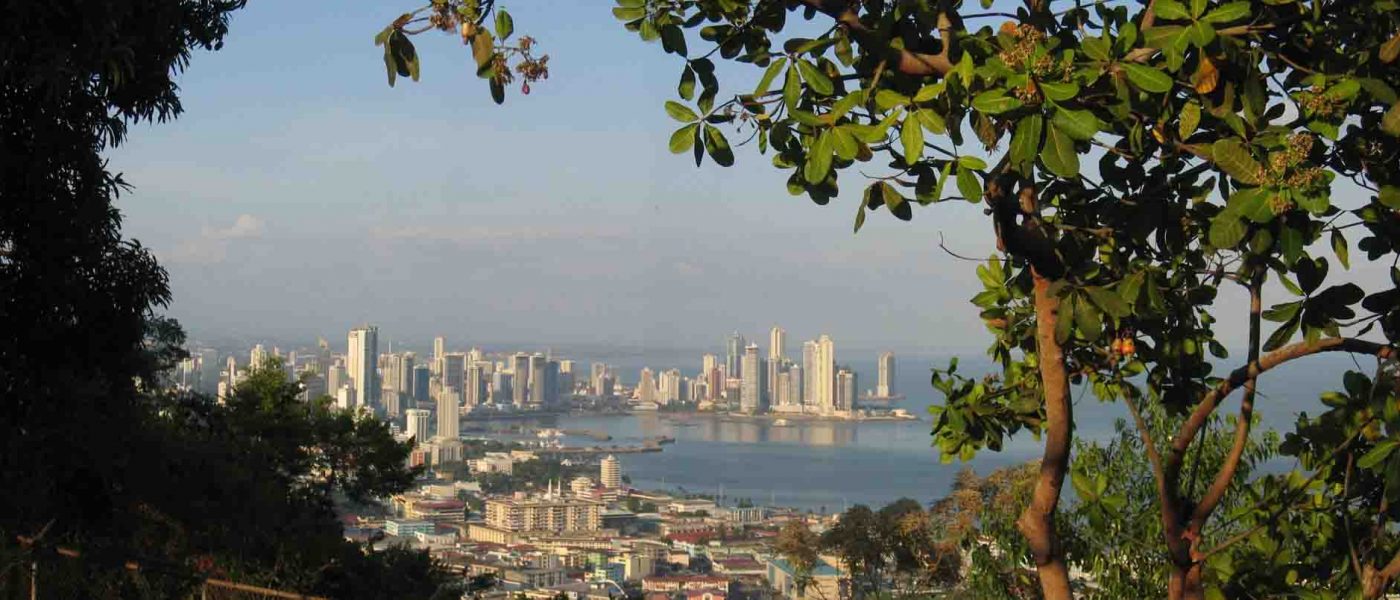
2 minAs the global Anti-Corruption Conference begins in this week in Panama City, the case of Dutch citizen Okke Ornstein has hit the headlines. Okke, who lived in Panama was recently jailed on a charge of defamation.
A number of global institutions, such as Transparency International and the International Federation of Journalists have called for Okke’s release. We agree that imprisonment for libel is wrong in principle for reasons we will go into below.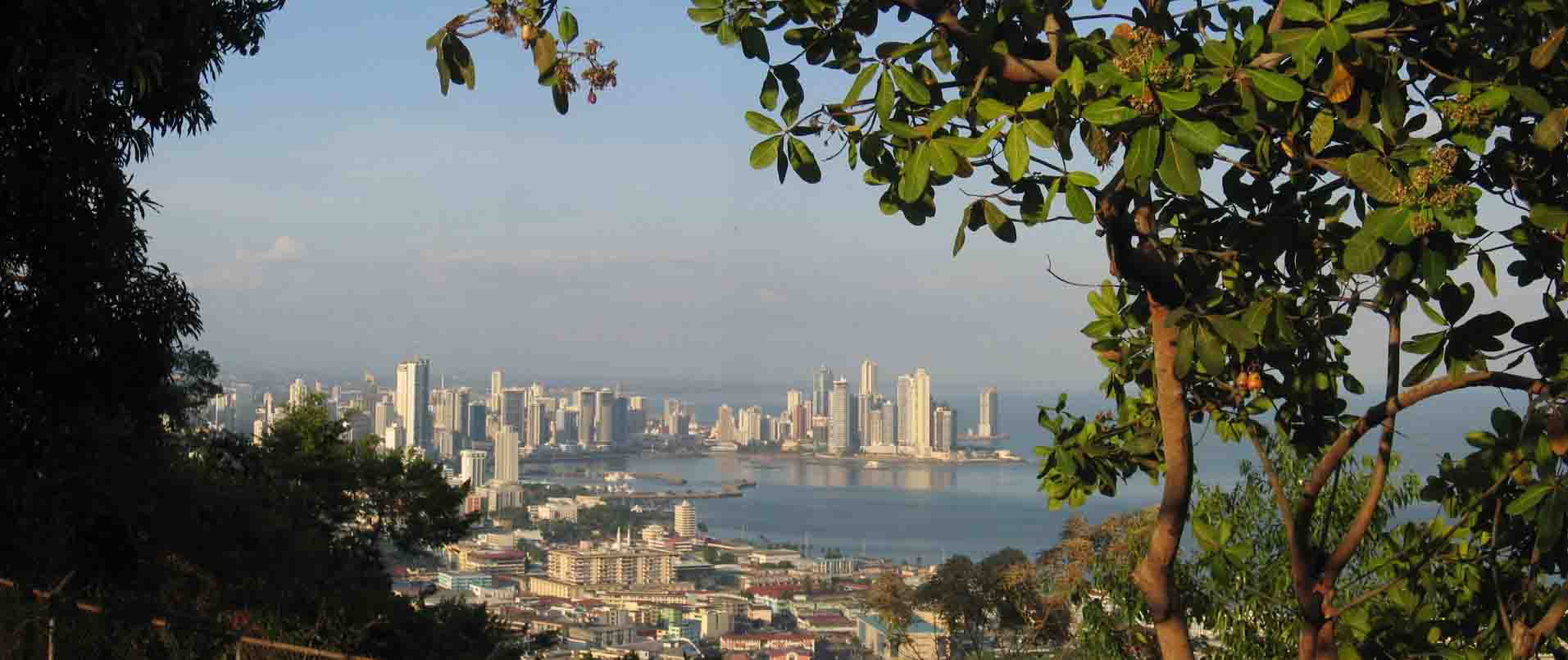
In our work we often focus on financial secrecy. That is secrecy around banking and corporations. However a free press is also fundamental to a well functioning and transparent financial system.
People use offshore financial centers and secrecy jurisdictions to avoid scrutiny. Obviously, if offshore financial centres had large numbers of investigative journalists rooting around in the murky affairs of the individuals that inhabit them, they would lose a lot of their appeal. That is why leaks such as the Panama Papers have been so damaging to the offshore world.
This is also why restrictions on press freedom often go hand in hand with financial secrecy. These restrictions can come from the government, as can be testified to by David Legge, editor of the Cayman Compass. Last year, after publishing an editorial highlighting the role of his country in the FIFA scandal, he was charged with treason and forced to flee the country. Pressure can also be brought to bare from other sources too. David Marchant, publisher of Offshore Alert, has long been harassed by criminals for his amazing work uncovering fraud and corruption in offshore financial centres.
Put simply, the lack of a free press allows criminals to perpetrate their crimes with impunity, with all of the damage that does to the global financial system and to honest, law abiding citizens around the world.
If Panama seriously wants to leave its tax haven past behind, as well as taking measures to improve financial transparency, it needs to review its laws and criminal processes to ensure they are commensurate with the principle of freedom of speech, which is enshrined in the Panamanian constitution.
The author

Related articles
UN tax convention hub – updates & resources
UN Framework Convention – Roundup of the Fifth Session of Negotiations
Notes on the UN tax convention draft protocol on dispute prevention and resolution
11 September 2026

The European Court of Justice strikes against transparency again. Our response should be to call for an end to corporate limited liability
Report of the Fifth Session of negotiations on the UN tax convention
4 September 2026
Submission to Workstream I on Co-Lead’s Zero Draft of UN Framework Convention on International Tax Cooperation (post-Fifth Session)
28 August 2026
Submission to Workstream II on Taxation of Income from Cross-Border Services (post-Fifth Session)
26 August 2026
Strengthening public resource mobilization through tax justice
25 August 2026
Submission to Workstream III on Dispute Prevention and Resolution (post-Fifth Session)
24 August 2026

From data to policy: Building Africa’s evidence ecosystem for better tax reform