

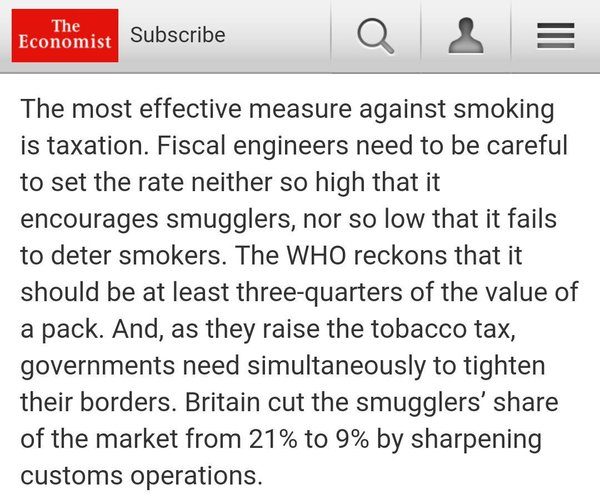
[vc_row][vc_column][vc_column_text]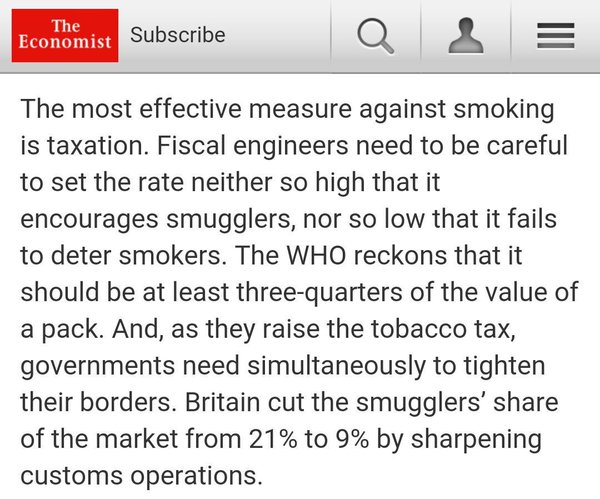 From Citizens for Tax Justice in the U.S., a post that begins by discussing federal tax breaks for manufacturing corporations. And they ask:
“Tobacco companies “manufacture” cigarettes—but do Americans, or lawmakers, really think it’s a good idea for the federal government to subsidise this activity? New financial reports from major corporations in this sector show that cigarette makers are enjoying substantial manufacturing tax breaks for producing products that kill people.”
It notes that Altria, the maker of Marlboros, cut its federal taxes by $799m over the past years just by using that deduction. (Also see work of our friends at the U.S. Campaign for Tobacco Free Kids.)
We’d add that Article 6 of the World Health Organisation’s Framework Convention on Tobacco Control is clear on the importance of tobacco tax, and this reflects scientific and political consensus on the extreme health costs – that is to say, deaths and lung cancer and other nasties – of not getting it right. Not taxing tobacco consumption sufficiently is one thing: subsidising production (of death) through the manufacturing deduction goes still further in the wrong direction.
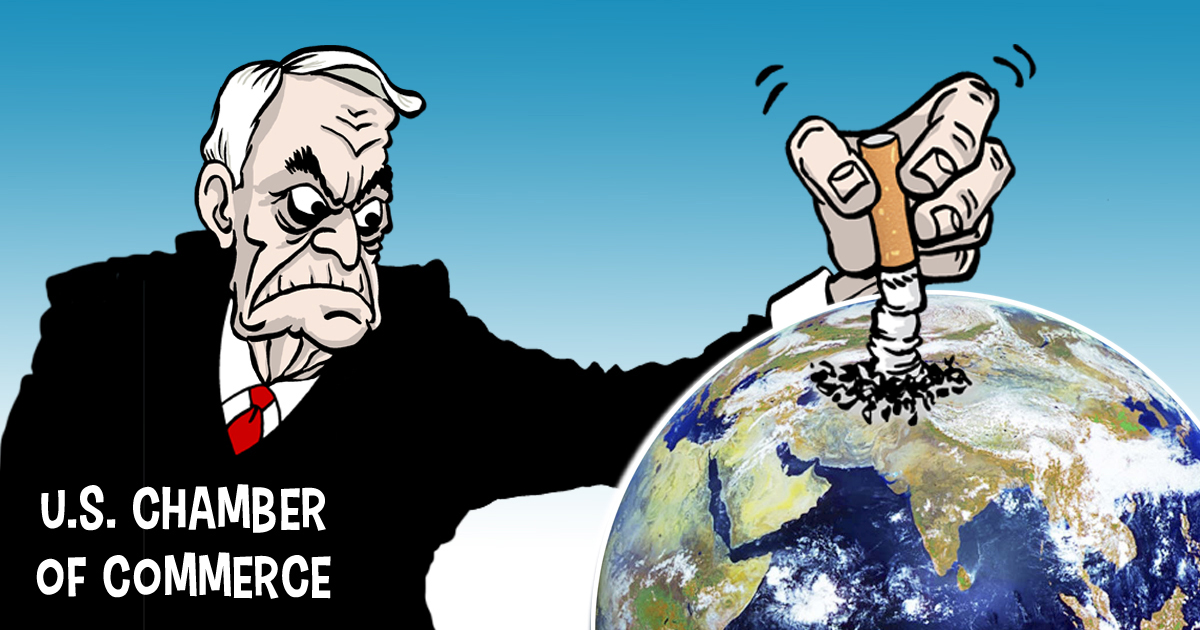
From global.tobaccofreekids.org
This can only be seen as reflecting either very short and myopic policymaker horizons (trading what may or may not produce a job today, for a sure-fire slew of painful deaths tomorrow); or the continuing political power and influence of Big Tobacco: as the WHO puts it: the Tobacco industry is part of the problem, not of the solution. CTJ continue:
“At a minimum, policymakers should be asking whether it makes any sense to subsidize an industry producing products that kill thousands of Americans a year.”
And it’s not just Americans. It’s everyone.
Oh, and there’s this.

And this too.
[/vc_column_text][vc_raw_js]
JTNDYmxvY2txdW90ZSUyMGNsYXNzJTNEJTIydHdpdHRlci10d2VldCUyMiUyMGRhdGEtbGFuZyUzRCUyMmVuJTIyJTNFJTNDcCUyMGxhbmclM0QlMjJlbiUyMiUyMGRpciUzRCUyMmx0ciUyMiUzRSUyNnF1b3QlM0JUaGUlMjBpbGxpY2l0JTIwdHJhZGUlMjBvZiUyMHRvYmFjY28lMjBwcm9kdWN0cyUyMGlzJTIwcGFydCUyMG9mJTIwdGhlJTIwYnVzaW5lc3MlMjBzdHJhdGVnaWVzJTIwb2YlMjB0aGUlMjB0b2JhY2NvJTIwaW5kdXN0cnklMjZxdW90JTNCJTNBJTIwJTNDYSUyMGhyZWYlM0QlMjJodHRwcyUzQSUyRiUyRnR3aXR0ZXIuY29tJTJGZ2lsbGVzcGFyZ25lYXV4JTIyJTNFJTQwZ2lsbGVzcGFyZ25lYXV4JTNDJTJGYSUzRSUzQ2ElMjBocmVmJTNEJTIyaHR0cHMlM0ElMkYlMkZ0LmNvJTJGS2J5UEg4M00yWCUyMiUzRWh0dHBzJTNBJTJGJTJGdC5jbyUyRktieVBIODNNMlglM0MlMkZhJTNFJTNDJTJGcCUzRSUyNm1kYXNoJTNCJTIwVGF4JTIwVG9iYWNjbyUyMGZvciUyMExpZmUlMjAlMjglNDBUYXhUb2JhY2NvJTI5JTIwJTNDYSUyMGhyZWYlM0QlMjJodHRwcyUzQSUyRiUyRnR3aXR0ZXIuY29tJTJGVGF4VG9iYWNjbyUyRnN0YXR1cyUyRjY4MTc4Nzc4MjMxOTIwMjMwNCUyMiUzRURlY2VtYmVyJTIwMjklMkMlMjAyMDE1JTNDJTJGYSUzRSUzQyUyRmJsb2NrcXVvdGUlM0UlMEElM0NzY3JpcHQlMjBhc3luYyUyMHNyYyUzRCUyMiUyRiUyRnBsYXRmb3JtLnR3aXR0ZXIuY29tJTJGd2lkZ2V0cy5qcyUyMiUyMGNoYXJzZXQlM0QlMjJ1dGYtOCUyMiUzRSUzQyUyRnNjcmlwdCUzRQ==
[/vc_raw_js][/vc_column][/vc_row]
The author

Related articles

UN tax convention hub – updates & resources

The ‘wealth exodus’ was manufactured by the press. The press complaints body IPSO must investigate or step aside.

Review: Bloomberg’s reporting of an exodus of billionaires worth $160 billion does not hold
Launching a new tool to reveal the global extent of illicit financial flows and how to tackle them

UN Framework Convention – Roundup of the Fifth Session of Negotiations
Notes on the UN tax convention draft protocol on dispute prevention and resolution
11 September 2026

The European Court of Justice strikes against transparency again. Our response should be to call for an end to corporate limited liability
Report of the Fifth Session of negotiations on the UN tax convention
4 September 2026
Submission to Workstream I on Co-Lead’s Zero Draft of UN Framework Convention on International Tax Cooperation (post-Fifth Session)
28 August 2026
Submission to Workstream II on Taxation of Income from Cross-Border Services (post-Fifth Session)
26 August 2026
Strengthening public resource mobilization through tax justice
25 August 2026