Britain’s domicile rule is one of the greatest tools available to the world’s wealthiest people to shake of the pesky burden of tax, leaving the rest of us to kindly pay their share for them. It’s a slippery, vague concept, and lots of people who claim domicile status really ought not to be able to. With this short background, here’s our factoid of the day, courtesy of UK barrister Jolyon Maugham:
“In the last ten years (which is as far back as I checked), there’s only been one concluded challenge to domicile, nine years ago. There’s also a single indication of a challenge to come.”
Goodness. Coming in the wake of the HSBC scandal, which shows a resolute determination on the part of the government not to do anything to inconvenience the world’s wealthiest people, this is quite a shocker.
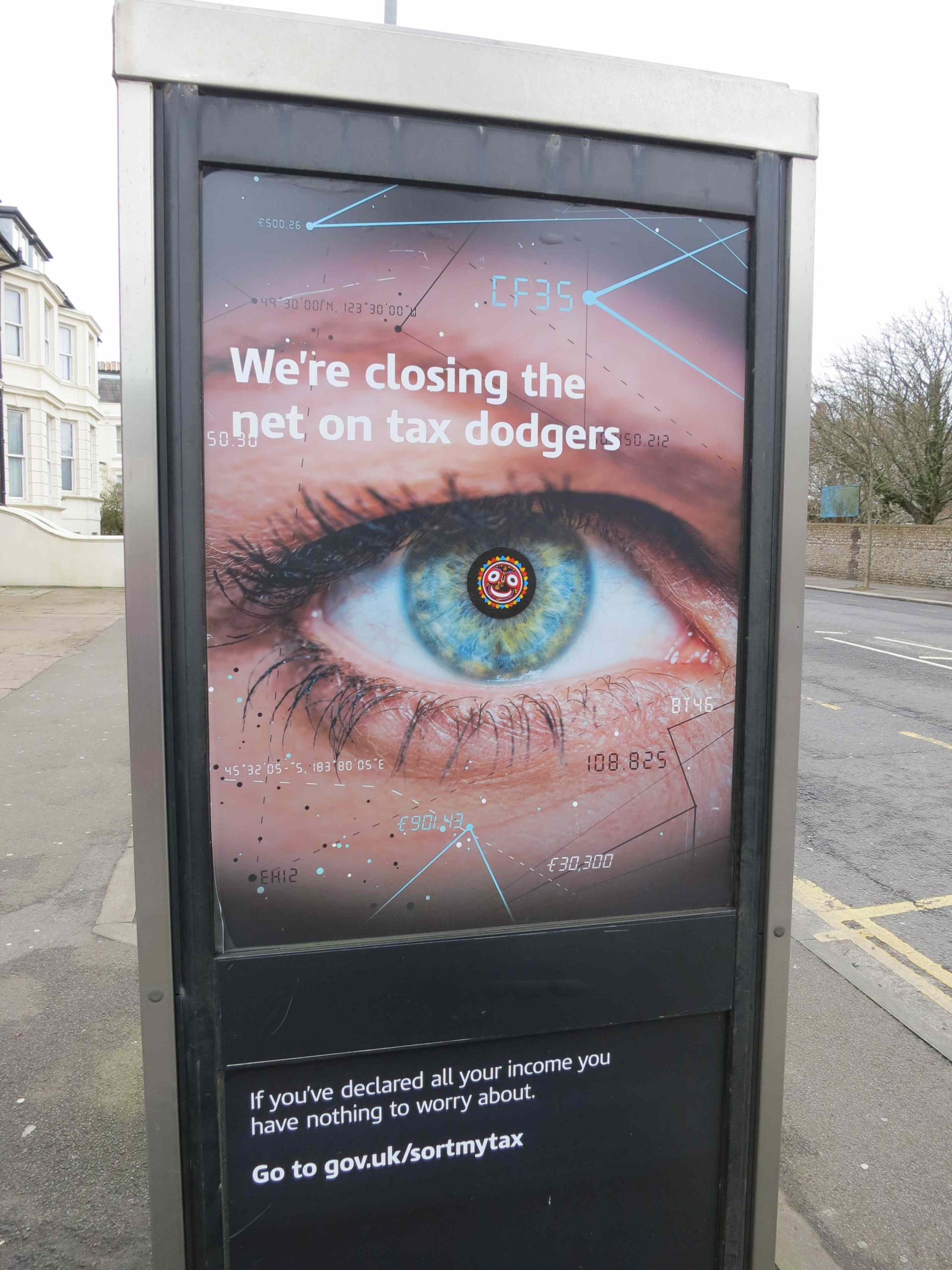
Yeah, right. Photo: Jill & David
The author

Related articles
UN tax convention hub – updates & resources

UN Framework Convention – Roundup of the Fifth Session of Negotiations
Notes on the UN tax convention draft protocol on dispute prevention and resolution
11 September 2026

The European Court of Justice strikes against transparency again. Our response should be to call for an end to corporate limited liability
Report of the Fifth Session of negotiations on the UN tax convention
4 September 2026
Submission to Workstream I on Co-Lead’s Zero Draft of UN Framework Convention on International Tax Cooperation (post-Fifth Session)
28 August 2026
Submission to Workstream II on Taxation of Income from Cross-Border Services (post-Fifth Session)
26 August 2026
Strengthening public resource mobilization through tax justice
25 August 2026
Submission to Workstream III on Dispute Prevention and Resolution (post-Fifth Session)
24 August 2026

From data to policy: Building Africa’s evidence ecosystem for better tax reform